

How swimming lessons at 46 became the refill I didn’t know I needed

This summer, I conquered my biggest fear. At 46 years old, I learned how to swim.
I said it plainly, the way I say most things I’ve decided I’m actually going to do. I told my community. I told my son. But what I didn’t say out loud was how long that fear had been sitting quietly in the background of my life—something I’d rerouted around for four decades instead of ever walking into the water and dealing with it.
Inspired? Create and share by tagging @HallmarkStores.
Here is the thing about floating that no one tells you:
My swimming instructor kept saying the same sentence every single day: You have to relax. I would tense every muscle in my body, fighting the water like it owed me something. And every time, I’d sink a little. Relaxing, letting go—that turned out to be the whole skill. Not strength. Not technique. Just release.
It took me longer than I wanted to admit to understand he wasn’t only talking about water. I am the one who catches everybody: my parents who live next door, my son, my community. I’m the one who shows up, every time, with both hands out. What nobody asks is who is supposed to catch me. Standing in that pool, I realized I didn’t actually know how to be caught. I had never practiced it.
On the last day, we jumped in.
That was the scariest part. Not the floating. Not the kicking. The jump. Because the jump meant facing my fear head-on. No wall to hold, no edge to ease into—just air, then water, then whatever happened next.
The first attempt didn’t go well. I hit the water and panicked, arms flailing, struggling against the very thing I’d spent six days learning to trust. But my instructor was there, exactly as he’d promised he would be, and he helped me cross to the other side. I could have stopped there. Most days, I would have called that a win and gone home grateful. But what I did next surprised him and surprised me even more. I told him I had to do it again. I was not leaving that class without jumping in and swimming across that pool myself.
So, I jumped again. And I swam across. I did it. That swim lesson turned out to be the whole prescription in one act. I rested, because floating is rest with your eyes open. I exercised, moving my body to do something new and hard and real. I invested in myself, six days in a row, when I had forty other places to be. I loved myself enough to stay scared and show up anyway. I lived intentionally, because I chose the water on purpose.
Here's what changed me:
If I learned how to swim in six days, what else could I do? Conquering that fear didn’t just teach me a skill, it unlocked something in me—proof, in my own body, that the thing I’ve been avoiding is usually smaller than the story I’ve built around it.
People will tell you it’s about the hair. It’s not, not really. That’s the story we’ve been handed. Yes, it’s true Black women don’t swim because we don’t want to mess up our hair. But that story is just the surface of something deeper. Underneath it is history, fear passed down like an heirloom nobody asked for. Generations of women who were never taught to swim in a country that, for a long time, made sure the water simply wasn’t safe or welcoming for us. That’s not vanity. That’s trauma, quietly and collectively inherited.
There’s a reason I enrolled my son in swim lessons two years before I ever got in the water myself. I wanted to break something before he inherited it. I broke it for him first. Then, finally, I broke it for me. I may not be the best swimmer. But I know now what it feels like to let go and trust I won’t sink.
What’s the “water” you’ve been standing at the edge of? Because I promise you, it’s about so much more than knowing how to swim.
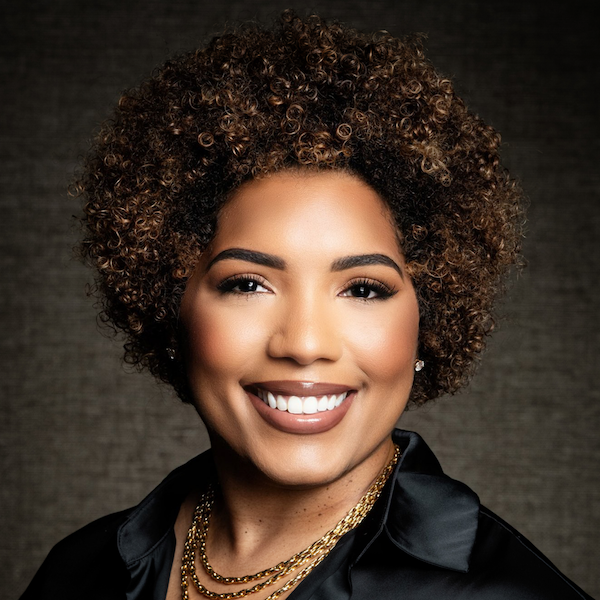
Dr. Alisha Reed is a licensed pharmacist and a boy mom who is unapologetic about self-care. She is the creator of the REFILL Strategy, hosts the Your Self Care Prescription podcast, and is passionate about teaching women how to advocate for themselves.
Shop Mahogany
See allYou may also like
See more-
Calendar Flip Woo-Hoo—summer’s here! June 2027 holidays and celebrations
Summer is here in all her glory and we are ready. Warm days and cool drinks lay ahead. So it’s time to flip the ca...
-

Calendar Flip Spring Forward: March 2027 Holidays and Observances
Color us excited! From the wearin’ of the green and more sunny fun to colorful Holi festivals and celebrating crayons...
-
Calendar Flip Yay for May! May 2027 holidays and celebrations
Flowers are blooming, students are graduating and moms are getting some well-deserved appreciation. What a fabulou...
-

Calendar Flip Hello, Love: February 2027 Holidays and Observances
Let’s warm up this cold month with love and connections. From valentine cards to dressing up your pet, this month has...
-
Calendar Flip Welcome a New Year: January 2027 Holidays and Observances
HAPPY NEW YEAR! If that hurt your head, you might have celebrated a little too much. When you’re feeling better, we h...
-
Calendar Flip Welcome back, spring! April 2027 holidays and celebrations
Oh, spring, we’ve missed you most of all. We don’t even care that you bring showers—we’re just excited to be outsi...
-
Mahogany There’s nothing like an HBCU homecoming
There are homecomings, and then there are HBCU homecomings. If you have ever experienced an HBCU homecoming, you unde...
-

DaySpring Room at the table
Every year, as Hispanic Heritage Month arrives, I find myself holding two things at once: celebration and grief. I ce...
-
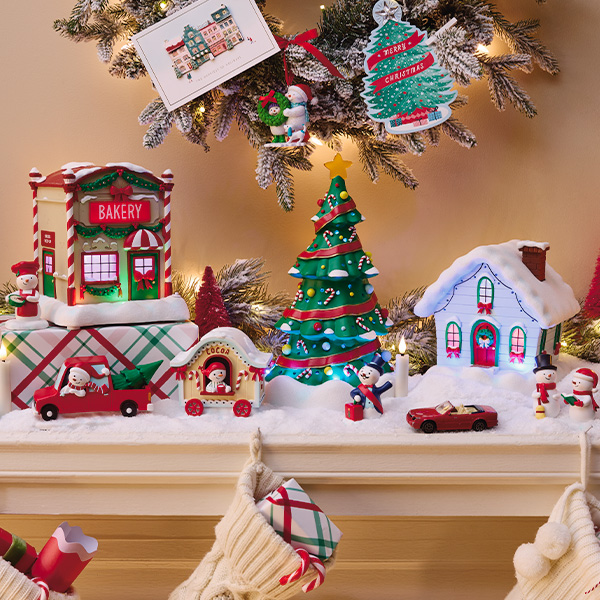
Christmas Christmas village display ideas: Creative ways to make miniature magic
Peeking at warm glows in tiny windows, touching the intricate details on mini village structures and playing with the...
-
Christmas Stocking stuffer ideas for literally everyone on your list
The stocking stuffer struggle is real. By the time you’ve bought your main presents, you feel like you’re all out of ...
-

Keepsake Ornaments Snow much fun with these penguin pals! 🐧
Remember being a kid and trying to build a snow fort? These little penguins have accomplished your childhood dreams o...
-
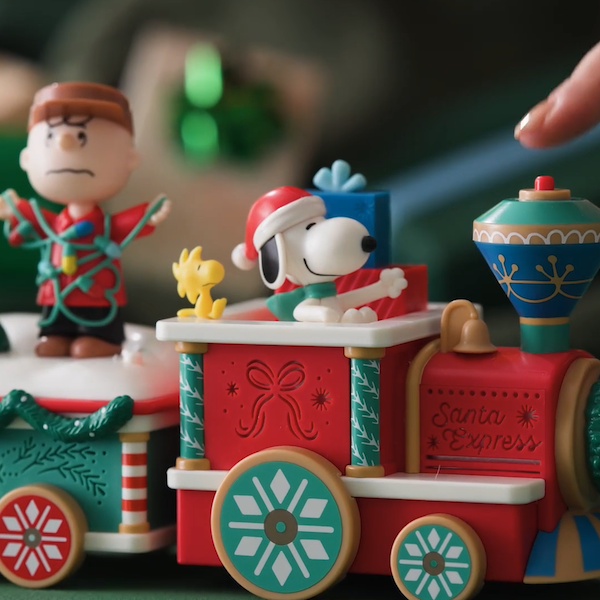
Christmas All aboard the Santa Express for a happy holiday trip with the beloved Peanuts Gang!
This delightful tabletop decoration features Charlie Brown, Lucy, Linus and Sally each riding on festive, snow-covere...
-
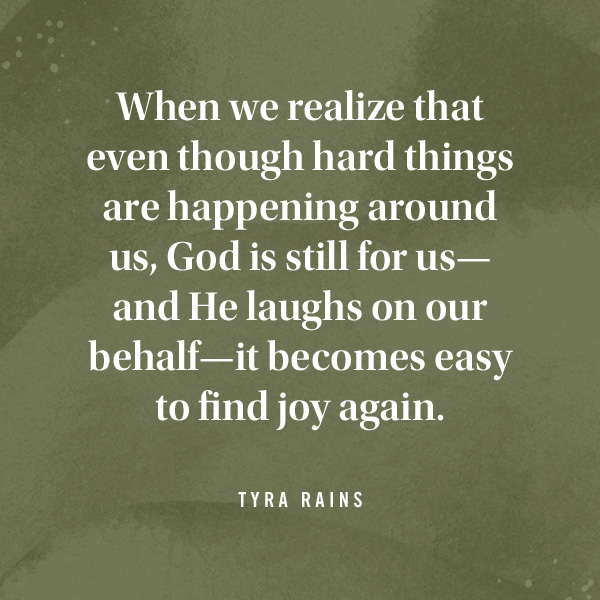
DaySpring The epidemic of lost joy
Have you noticed that people have become unjoyful at an alarming rate? The lack of joy seems to be an epidemic in our...
-

Christmas 2026 Christmas Trends: the decorating, gifting and celebration trends shaping Christmas this year
I bought my first Christmas tree not long after I started writing for Hallmark. The rest, as they say, is holiday his...
-

Keepsake Ornaments Relive the most iconic dogfight in the galaxy 💫
Moments after escaping the Death Star space station aboard the Millennium Falcon, the band of Rebel heroes encountere...
-
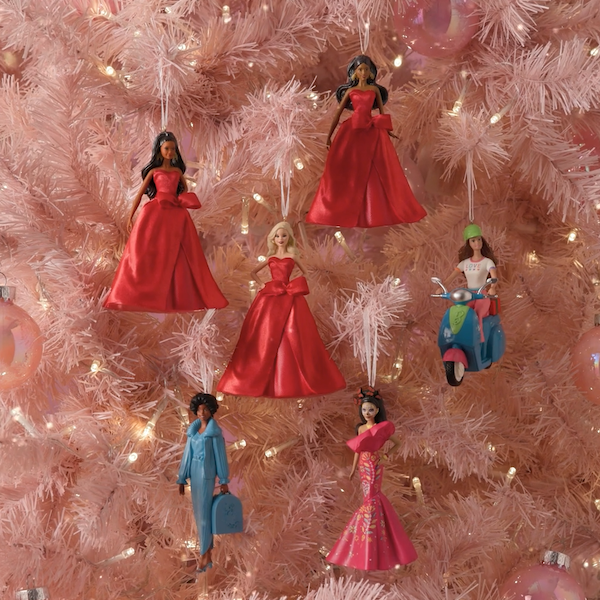
Keepsake Ornaments It’s the most fabulous time of the year! 🎀✨
She's elegant, she's adventurous, she's chic...when it comes to glitzing up your Christmas tree, is there anything be...
-

Keepsake Ornaments It’s official…this is the sweetest gingerbread house ever. 🍬
We know, there are a LOT of gingerbread houses out there. But this one might just top them all. The icing so shiny it...
-
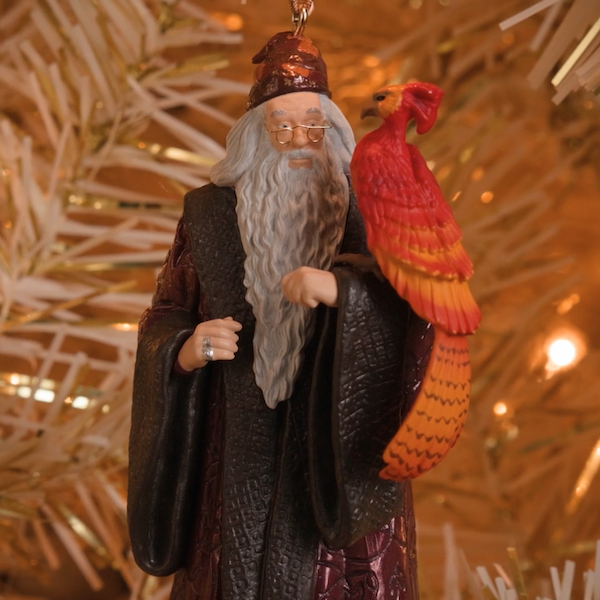
Keepsake Ornaments The final two ornaments in the collection are here! 🤩
The wait is over! The final ornaments in the Harry Potter and the Chamber of Secrets™ Collection are here! You can fi...
-
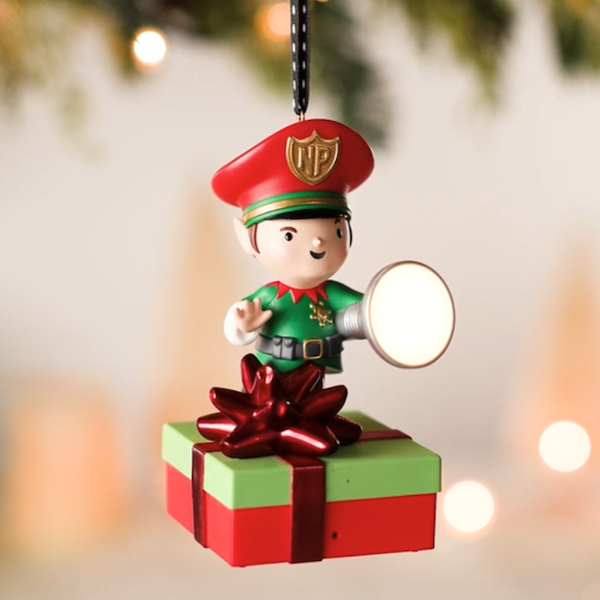
Keepsake Ornaments Busted! 🤭 The North Pole Peek Patrol is on the watch…
We all know the rules...no presents until Christmas. But a little peek won't hurt, right? Wrong! The Peek Patrol is h...
-

DaySpring When you don’t feel like it’s all good
When I start to worry, these familiar words often come to mind: “And we know that in all things God works for the goo...