

When frustrations come, don’t overlook the blessings

I take many things for granted. In fact, I’ve forgotten just how much the amenities of modern life have revolutionized our daily routines.
Recently, as my daughters and I discussed a historical biography, we were reminded that not too long ago, women rose before dawn to get the fire started, draw water from the well, grind grain, knead bread, prepare lye for soap making and put the loom in working order—not to mention tending gardens, caring for animals and feeding their families. Phew! I’m exhausted thinking that toiling from sunup to sundown was a typical day, and often the work was still not finished.
There was no online inspiration motivating them to spring clean, declutter or organize. Take time for yourself, was not a common mantra. What we now consider basic conveniences would have seemed unimaginable luxuries. Yet, we live in a culture where comfort is readily available, and often we don’t realize how much we depend on this comfort until it’s gone.
Inspired? Create and share by tagging @DaySpringCards.
That’s why, when my old dishwasher was disconnected a week before my new one was scheduled to arrive, and that week stretched into two, I began complaining mightily about a sink full of dishes. Then something even more disruptive happened: our air conditioning broke in the middle of a sweltering North Carolina summer.
My bad attitude was pervasive.
Apparently, I had come to believe it was my inalienable right to have dishes washed and cool air delivered at the push of a button. So, I did what many of us do when life becomes uncomfortable. I’m not proud of it, but I focused on everything that wasn’t working.
Then God gently began to shift my perspective.
During those two weeks, I was reminded of the incredible blessing of technology and all the modern conveniences I routinely enjoy. More importantly, I made a conscious choice to rearrange my attitude.
As I hand-washed dishes for the second week in a row, I began thanking the Lord for each child, friend and neighbor who would eat from those plates. I praised Him that those cups served more than beverages; they had facilitated conversations and deep fellowship around our table. I chuckled at the black stains on the bottom of my stainless steel pot because they brought back fond memories of Thanksgivings gone by—including the year of our infamous “charcoaled” mashed potatoes.
And after dinner, instead of indoors, we sat on the front porch much like our many forefathers did after a long day of labor. Somewhere along the way, I stopped focusing on the inconvenience and started embracing the lesson hidden within it. I discovered that time spent with family can be a gift when distractions are removed. I laughed more. I talked more. We played games and shared conversations that might never have happened if everyone had retreated to separate rooms and separate screens.
Most importantly, God revealed something deeper.
He used those weeks to remind me how quickly a want can become a need. I was grumbling about first world problems—absolute luxury items. In a culture overflowing with abundance, it’s easy to lose sight of that distinction. We become so accustomed to comfort, we forget how much of what we call a necessity is actually a blessing.
Scripture reminds us in 1 Thessalonians 5:18 NIV, “Give thanks in all circumstances; for this is God’s will for you in Christ Jesus.” Gratitude isn’t reserved for seasons when everything is working perfectly. It’s cultivated when we recognize God’s goodness even in the middle of inconvenience.
Perhaps that’s why temporary discomfort can be such a powerful teacher. It exposes our dependence on things that were never meant to satisfy us. Discomfort redirects our attention to the gifts we’ve overlooked. Gratitude truly has a way of drawing our hearts back to the real Giver, doesn’t it?
As women juggling homes, work, relationships and endless responsibilities, it’s easy to focus on what isn’t going according to plan. I’ve done this too many times. So what if, instead of immediately listing our frustrations, we paused to notice the blessings we’ve quietly come to expect? Running water. Electricity. Food. A roof over our head. Meaningful relationships. Everyday provisions that much of the world still lives without.
The next time everyday life inconveniences me, I know I’ll remember those two weeks without a dishwasher and air conditioning. Not because they were enjoyable, but because they reminded me that gratitude often begins where entitlement ends.

Jen Schmidt encourages women to embrace both the beauty and bedlam of their everyday lives. A popular speaker, worship leader and author of "Just Open the Door," Jen lives in North Carolina with her husband, five children and a sofa for anyone who needs it. Find her work at http://www.beautyandbedlam.com.
You may also like
See more-
Christmas 20+ ideas to help you plan your trip to the Hallmark Christmas Experience
Ever wanted to step inside of a picture-perfect Hallmark Christmas movie? Or travel to a place where you could immers...
-

DaySpring He loves us still
When I received news that our women’s Bible study group at church was going to study the book of Hosea, my spirit sun...
-
Mahogany Carrying memories of homecoming...and how to create new ones
My parents found an old photo of me on the homecoming court at Xavier University. Miss P1, elected to represent my fi...
-
Gifting Why Peanuts still feels like Christmas
When it comes to holiday nostalgia and Christmas comfort traditions, it’s hard to top A Charlie Brown Christmas. At t...
-
Calendar Flip Woo-Hoo—summer’s here! June 2027 holidays and celebrations
Summer is here in all her glory and we are ready. Warm days and cool drinks lay ahead. So it’s time to flip the ca...
-

Calendar Flip Spring Forward: March 2027 Holidays and Observances
Color us excited! From the wearin’ of the green and more sunny fun to colorful Holi festivals and celebrating crayons...
-
Calendar Flip Yay for May! May 2027 holidays and celebrations
Flowers are blooming, students are graduating and moms are getting some well-deserved appreciation. What a fabulou...
-

Calendar Flip Hello, Love: February 2027 Holidays and Observances
Let’s warm up this cold month with love and connections. From valentine cards to dressing up your pet, this month has...
-
Calendar Flip Welcome a New Year: January 2027 Holidays and Observances
HAPPY NEW YEAR! If that hurt your head, you might have celebrated a little too much. When you’re feeling better, we h...
-

Calendar Flip Welcome back, spring! April 2027 holidays and celebrations
Oh, spring, we’ve missed you most of all. We don’t even care that you bring showers—we’re just excited to be outsi...
-
Mahogany There’s nothing like an HBCU homecoming
There are homecomings, and then there are HBCU homecomings. If you have ever experienced an HBCU homecoming, you unde...
-
DaySpring Room at the table
Every year, as Hispanic Heritage Month arrives, I find myself holding two things at once: celebration and grief. I ce...
-
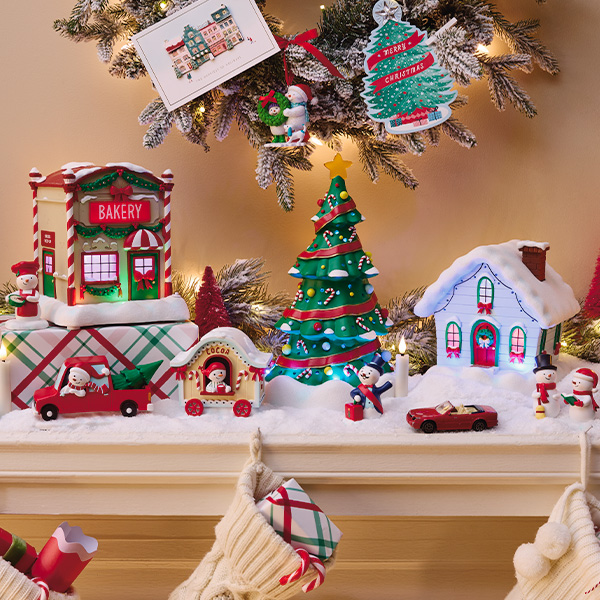
Christmas Christmas village display ideas: Creative ways to make miniature magic
Peeking at warm glows in tiny windows, touching the intricate details on mini village structures and playing with the...
-
Christmas Stocking stuffer ideas for literally everyone on your list
The stocking stuffer struggle is real. By the time you’ve bought your main presents, you feel like you’re all out of ...
-

Keepsake Ornaments Snow much fun with these penguin pals! 🐧
Remember being a kid and trying to build a snow fort? These little penguins have accomplished your childhood dreams o...
-
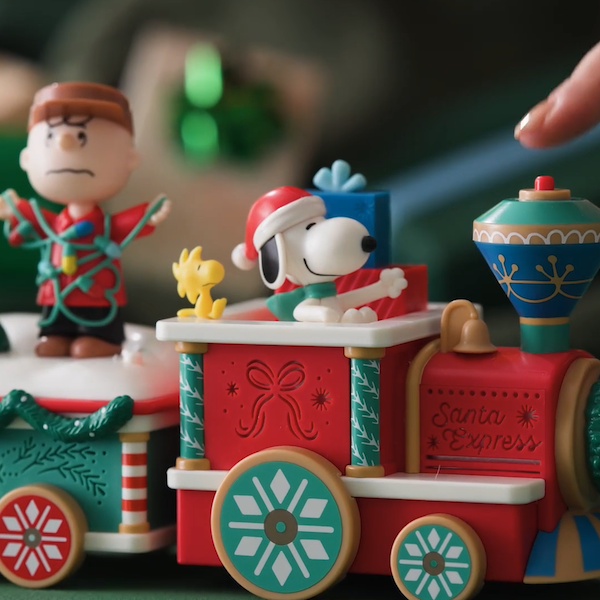
Christmas All aboard the Santa Express for a happy holiday trip with the beloved Peanuts Gang!
This delightful tabletop decoration features Charlie Brown, Lucy, Linus and Sally each riding on festive, snow-covere...
-
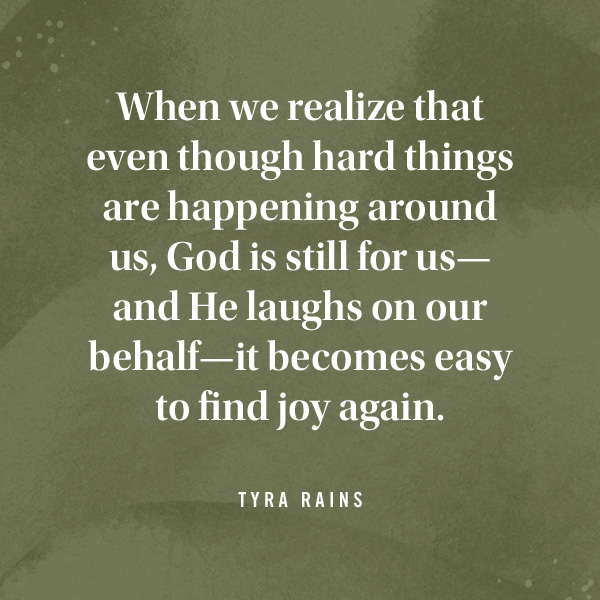
DaySpring The epidemic of lost joy
Have you noticed that people have become unjoyful at an alarming rate? The lack of joy seems to be an epidemic in our...
-

Christmas 2026 Christmas Trends: the decorating, gifting and celebration trends shaping Christmas this year
I bought my first Christmas tree not long after I started writing for Hallmark. The rest, as they say, is holiday his...
-

Keepsake Ornaments Relive the most iconic dogfight in the galaxy 💫
Moments after escaping the Death Star space station aboard the Millennium Falcon, the band of Rebel heroes encountere...
-
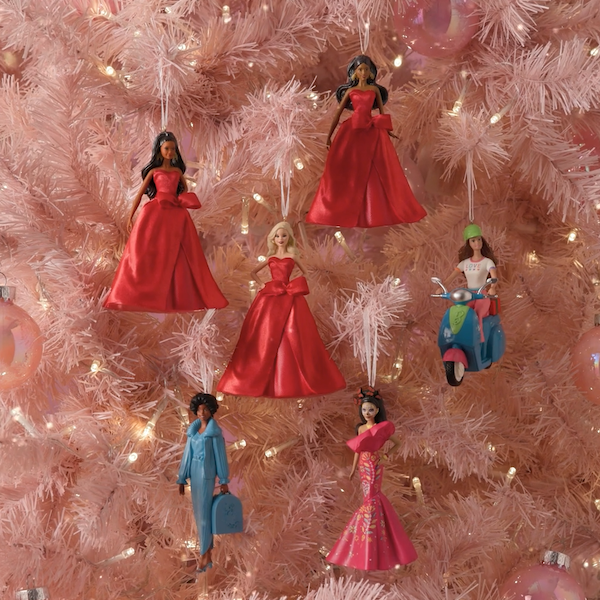
Keepsake Ornaments It’s the most fabulous time of the year! 🎀✨
She's elegant, she's adventurous, she's chic...when it comes to glitzing up your Christmas tree, is there anything be...