

The history of Halloween: Why we celebrate and fun traditions to try

Scary stories, costume parties, fall chills, haunting thrills, and SO MUCH candy…there’s a lot to love about Halloween! Even though around 70% of Americans celebrate Halloween, the history of Halloween isn’t necessarily common knowledge.
So, why do we dress up? Where did trick-or-treating come from? Why the fascination with carving stuff into gourds?! If you’re curious about the history of Halloween and interested in some fun, history-inspired Halloween celebration ideas, read on!
Inspired? Create and share by tagging @hallmarkstores.
Theories about the origins of Halloween
Halloween has been celebrated for a VERY long time. Like, thousands of years. So, it’s likely that present-day Halloween is a hodgepodge of many different customs and beliefs from multiple time periods and regions of the world. These are the ones that likely had the biggest influence on the holiday.
Samhain
One of the most popular theories about the history of Halloween is that it evolved from the Gaelic festival Samhain, which was celebrated by Celtic pagans. Samhain (pronounced SAH-win) marks the end of the harvest season and the beginning of winter. It is also considered a threshold festival, meaning the boundary between this world and “the Otherworld” is considered blurred. In other words, some believe that the veil is thin between the living and the dead.
Samhain included large feasts, gatherings, bonfires and offerings made to ward off evil spirits and to improve the chance of people and livestock surviving the winter. Some also believed that the souls of passed family members would return home for the night, so it was customary for there to be a place setting for them at the table.
A custom similar to trick-or-treating was referred to as “guising.” People dressed up, went from door to door, and chanted to get treats. Some believe that the costumes were meant to disguise celebrants from the spirits—particularly vengeful ones.
Divination, the practice of completing a kind of occultic ritual in order to see into the future or gain insight about a situation, was also a big part of Samhain, often using apples, nuts and/or bonfires. This is where bobbing for apples comes from! Whether or not someone managed to bite a bobbing apple was thought to mean all sorts of things about their love life.
Samhain is thought by some to have been Christianized by the church and renamed All Hallow’s Day.
All Hallow’s Day
Another popular theory is that Halloween is a Christian holiday independent of Samhain, purely connected to All Hallow’s Day or All Saints’ Day. It’s a time when Christians honor saints and pray for the recently departed to make it to heaven.
Traditions for this theory include ringing church bells, criers dressed in all black ringing handbells and calling on Christians to remember passed souls, and baking and sharing soul cakes (a shortbread-like cookie flavored with seasonal spices and etched with the symbol of the cross).
The act of “souling” is another theory for the origin of trick-or-treating, as groups of people would go from door to door to get soul cakes and, in return, pray for the passed loved ones in their community. Soul cakes were also sometimes left as an offering to the souls themselves.
Some say people used to carry lanterns made of hollowed-out turnips while they went souling, both to represent the souls of the dead and to ward off evil spirits. Other root vegetables were also used, and some were placed as decor to help lead visiting spirits back to their homes.
Similar to Samhain, dressing up in costume was often associated with warding off spirits. The tradition of costume parties might be connected to what some Christians called the danse macabre, when spirits allegedly rose from the dead on Hallow’s Eve for their own celebration.
European traditions vs. American traditions
Varying religious influences altered the lore and customs of Halloween over time and, as with anything, different regions made it their own. The traditions mentioned so far were commonly practiced in countries like Ireland, Scotland, England, France and Italy, and Paganism and Christianity (including Protestantism and Catholicism) have been the main religions with traditions mentioned.
But what about American Halloween?
The Puritans in New England were against the celebration of Halloween; it was only after Irish and Scottish immigrants arrived in the U.S. in the 19th century that Halloween became a widely celebrated holiday in America.
By the early 20th century, Americans of many social, racial and religious backgrounds celebrated Halloween, and by the late 20th century, some Americanized traditions had made their way back to Europe.
Some of the biggest changes include pumpkins and the phrase “trick-or-treat.” American pumpkins were embraced as the new jack-o’-lantern since they’re a lot bigger than turnips and other root vegetables that were used overseas, which makes them a whole lot easier to carve. As for “trick-or-treat,” we actually owe that phrase to Canada, as it first appeared in a Canadian newspaper in the 1920s. The term became extremely popular in both Canada and the U.S., and it eventually gained traction in Europe in the 1980s.
The evolution of Halloween costumes
Early Halloween costumes were meant to scare away evil spirits, so it makes sense that there’s a history of frightening monster get-ups. But as time went on and Halloween became more secularized, costumes weren’t always about being scary. They started to reflect pop culture, make political statements and offer members of the LGBTQ+ community a chance to dress for their gender identity.
Unfortunately, Halloween costumes also appropriated marginalized people and cultures. We still see culturally insensitive costumes mass-produced today, but thankfully, awareness around the issue continues to grow.
The evolution of Halloween treats
Early edible Halloween treats were usually something homemade, or at least organic. Even in the U.S., there’s a history of handing out caramel apples, cookies and popcorn balls. It wasn’t until the 1930s that candy companies seized the opportunity to dominate the holiday.
A brief history of Halloween icons
Here’s a quick guide to some of Halloween’s most popular icons and how they came about:
- Bats: The bonfires held during Samhain celebrations attracted bugs, which, in turn, attracted bats. This led to a strong association between bats and Halloween. 🦇
- Headstones, skeletons, and ghosts: One thing that has stayed constant about Halloween is its association with the dead, making these symbols no-brainers, so to speak.
- Vampires, witches, demons and other monsters: Depending on the most prominent beliefs of the time and place, different monsters have been popular symbols of Halloween. More Christian Halloween celebrations might have focused more on demons and witches or avoided monster imagery altogether, while secular celebrations included a wider array of monsters.
Celebration ideas based on the history of Halloween
Interested in trying some new-to-you Halloween traditions? Lucky for you, we brainstormed some fun ideas based on the history of Halloween tidbits from above.
Make new treats
There are SO many different Halloween food themes to try. You can go as simple as arranging snacks with apples and nuts or harken back to baking soul cakes. You can also harken a little less far back and make caramel apples, popcorn balls and cookies.
For specific recipes, we can offer cocktails, cake and cookie pops. If you’re feeling extra crafty, you can even make Halloween gingerbread houses.
Play with pumpkins
Lean into the tradition of making jack-o’-lanterns more than you ever have before! You might even experiment with carving turnips if you’re feeling feisty. 🎃
Try making lanterns that you can actually take trick-or-treating. Or just push yourself to try some creative carving, maybe even including some favorite characters. If you want to get into it with pumpkins without literally getting into it, we also have a ton of great no-carve ideas.
Make a little mischief
If you want to channel the prankster energy of yore, we recommend doing so in a way that’s still community-friendly. A couple ideas: Make and gift a silly boo bag or two, or volunteer at a local haunted house that benefits a local charity.
If there isn’t one, consider making one! For an option to give back to your community without any mischief, consider trick-or-treating for UNICEF.
Host a bonfire
Especially if your Halloween isn’t completely centered around trick-or-treating, a warm fire on a cool autumn evening is a great way to celebrate. You can make experimental s’mores (put a peanut butter cup in there, trust me), host an outdoor movie night or just have fun hanging.
Remember loved ones
Maybe a loved one who was a major Halloween fan has recently passed or maybe you just want another excuse to honor someone you miss. Either way, many historical Halloween traditions include honoring those who have passed on.
You can set a place for them, dedicate some jack-o’-lanterns to them, make their favorite treat as a symbolic offering or respectfully merge your Halloween celebration with celebrations of or preparations for Día de Muertos. (It’s very much NOT the same thing as Halloween. Learn more here!)
Halloween means many things to many people, and there are so many ways to celebrate it. We hope this article helps you celebrate exactly how you want to! ✨👻
Looking for even more ideas for celebrating Halloween? These are a perfect mix of scary and sweet:
Shop Halloween
See allYou may also like
See more-
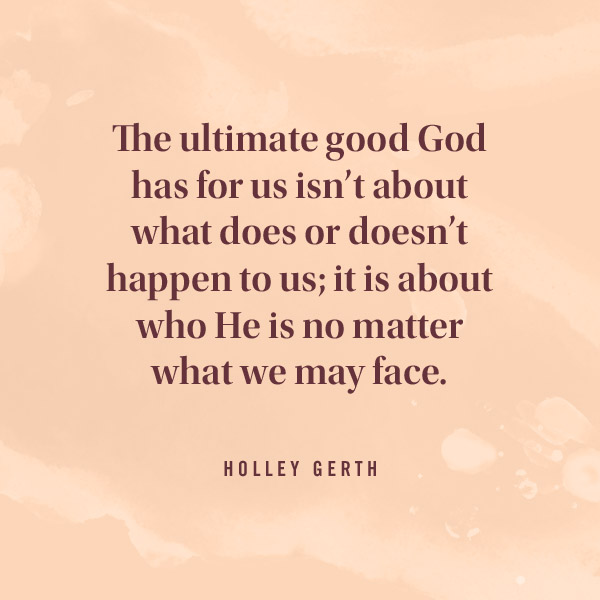
DaySpring When you don’t feel like it’s all good
When I start to worry, these familiar words often come to mind: “And we know that in all things God works for the goo...
-
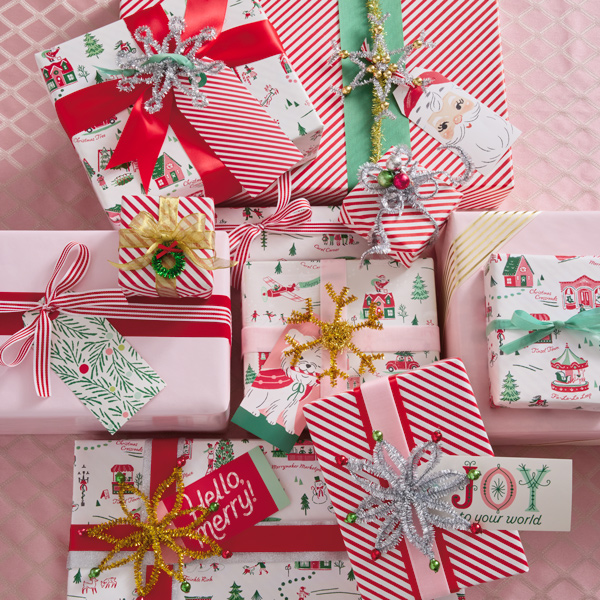
Christmas Christmas gift wrap ideas to match your holiday personality
If you’re anything like me, the holiday season can make you tap into different sides of yourself. Maybe you become th...
-
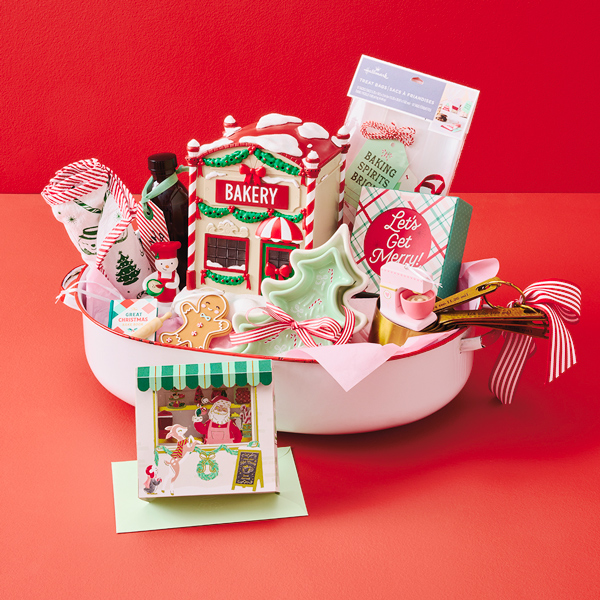
Christmas Christmas gift basket ideas for people who can’t wait for Christmas
Whenever I want to show someone a little extra love at the holidays or I’m giving a gift meant for the whole family, ...
-
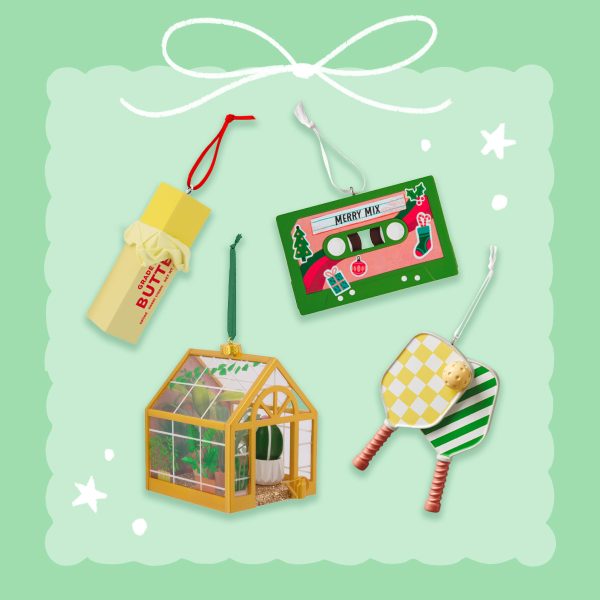
Christmas The best ornament gift ideas for everyone on your list!
Let’s say you’re looking for the perfect gift for someone with a particular interest. Or maybe you want something tha...
-
DaySpring I know You can, but will You?
Several years ago, I stood at the window of our tiny master bathroom, looking out over the yard of the house we had j...
-

Mahogany Welcome the breathtaking work of change within you
There is a village on the banks of the Hudson River, just outside New York City—the city that never sleeps, During th...
-
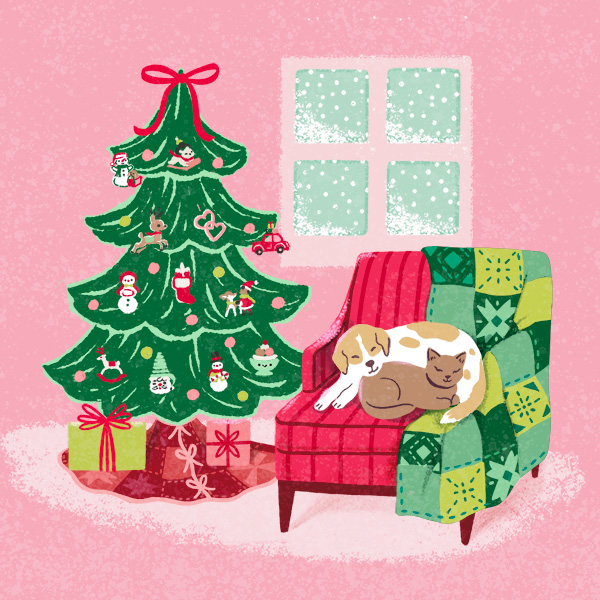
Christmas Vintage Christmas ideas to turn up the charm this holiday season
When I think of my perfect Christmas, vintage vibes are always what come to mind first. Santa’s sleigh in a dreamy wi...
-
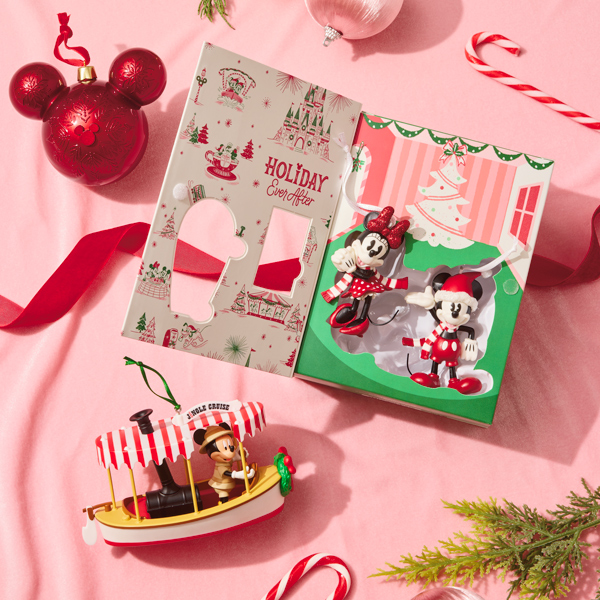
Christmas Make your Christmas merrier with Disney: Explore the Holiday Ever After collection!
We all have that one thing we can’t do without during the holidays. Maybe Christmas doesn’t feel like Christmas witho...
-
Mahogany When rejection stings and it feels like God keeps closing doors
Sis, let me tell you something about how God works. When He is looking out for you, His protection can look a whole l...
-
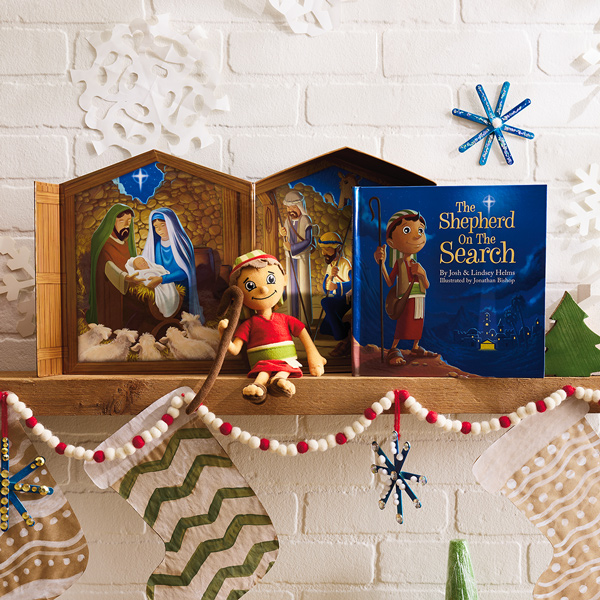
Christmas Why our family loves the Shepherd on the Search: A Christ-centered Christmas tradition
In our home, a variety of Advent activities have passed through over the years. Our Nativity set still has a prominen...
-
DaySpring An unexpected sign of God’s love
For years at my annual check-up, my doctor has urged me to get moving. She was less concerned about what I did, as lo...
-
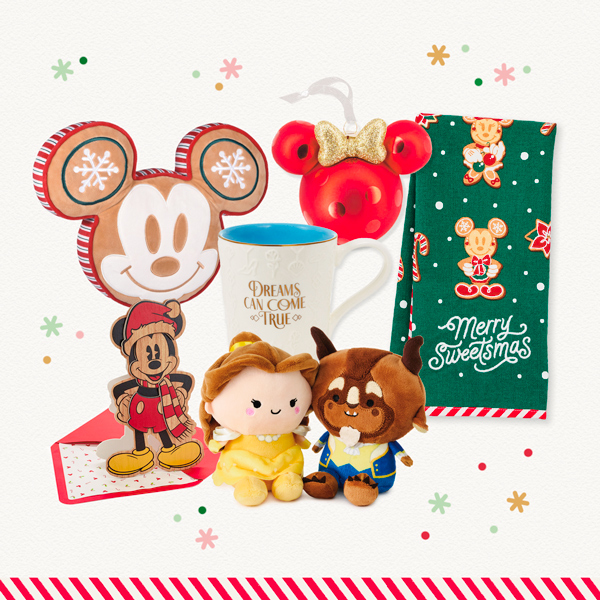
Christmas Gift ideas to help you share the wonder of Disney this Christmas
There’s no denying it—Disney just hits different at Christmas. The magic, joy and wonder we associate with the holid...
-
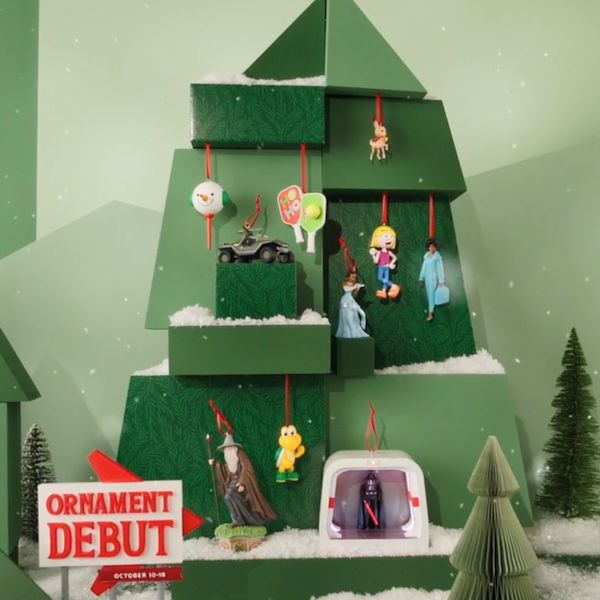
Keepsake Ornaments There’s something for everyone at Keepsake Ornament Debut! 😍
Millennial nostalgia? Check. Fandom favorites? Check. Christmas wonder? CHECK. With more than 150 new Keepsake Orname...
-
Wedding Wedding wishes: What to write in a wedding card
Imagine yourself in the parking lot walking in to your friend’s wedding reception—pen in hand, necktie/pantyhose in a...
-
Mahogany Believing bigger, one year at a time
In 2021, I was grieving. My husband had passed, and the holiday season leading up to the anniversary of his death had...
-
Halloween Upgrade Your Halloween movie night traditions with these fun ideas
These days, Halloween is more chock-full of movies than ever before, from cozy and nostalgic to downright spine-chill...
-

Fall ¿Qué es el Mes de la Herencia Hispana?
El Mes de la Herencia Hispana (en inglés: Hispanic Heritage Month), también conocido como el Mes de la Herencia Latin...
-
Mahogany Why fall always feels like a fresh start
One of my favorite childhood rituals happened before the school year even began. Long before the first day of school,...
-
DaySpring If you struggle to accept what is
Statements that come out of my mouth during summer include: “Why can’t I grow magnolias?” “Why don’t we have live...