
Letting go without letting them back in
Forgiveness wasn’t even on my radar. After what they did? Are you serious? Honestly, I just wanted to get through the holidays without breaking down or snapping at somebody.
But even though I didn’t say it out loud, my body was still carrying the weight of unforgiveness. My breath was shallow. My shoulders were tight. I was bracing for another round of holiday obligations and trying to “fix my face” while sharing space with people who had hurt me, dismissed me, or acted like the harm never happened.
Inspired? Create and share by tagging @HallmarkMahogany.
The holidays stir everything up.
The food, the music, the folding chairs in the living room, the aroma of sweet potato pie and tension mixing in the air. It all comes wrapped in tradition. But, sometimes, it also comes with a side of unspoken pain. While the world is out here pushing matching pajama sets and curated dinner tables, some of us are just trying to not let old wounds ruin the gatherings.
So, let me say this clearly:
Forgiveness and reconciliation are not the same thing. We’ve been taught, especially in the Church, that forgiving someone means letting them back into our life. That, if we’ve truly “let it go,” we’ll hand them a plate, hug them tight, and act like it’s all water under the bridge. But that’s not forgiveness. That’s emotional bypassing. That’s self-erasure.
To be honest, this kind of pressure to reconcile makes healing harder when the hurt runs deep from betrayal, neglect, abuse, or abandonment. Reconciliation must be mutual. It requires truth, repair, and change. But some folks will never apologize; some folks will never take responsibility. And some folks aren’t even here anymore to try.
Even so, forgiveness is still possible.
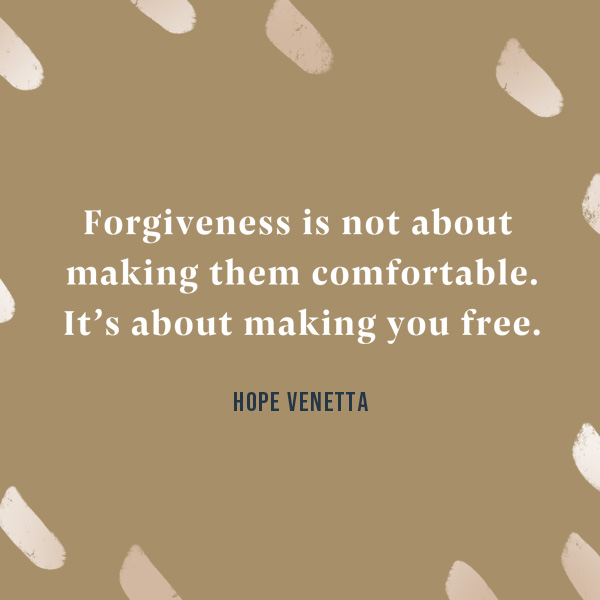
Forgiveness is not about making them comfortable. It’s about making you free. It’s not a performance. It’s not a shortcut to peace. It’s a decision to say, “I want better for myself than to carry this bitterness another year.”
Let’s be clear about what forgiveness is not:
- Forgiveness is not forgetting.
- Forgiveness is not pretending the offense didn’t hurt.
- Forgiveness is not a reason to give someone full access to yourself (again).
- Forgiveness is not weakness.
- Forgiveness is definitely not failure.
Sometimes, forgiveness looks like keeping your distance and meaning it. You can forgive someone and still hold a boundary knowing they’re not safe to be around. That’s not being petty. That’s being wise.
You can forgive your father for disappearing and still not let his absence define your worth. You can forgive that cousin who crossed a line and still decide not to sit beside them at that family gathering this year. You can forgive someone who broke your trust and still choose peace over pretending.
The holidays magnify what hasn’t been healed.
People gather. Expectations rise. Old roles return like they never left. Before you know it, you’re left trying to swallow macaroni and memories at the same time. So, before you say “yes” to that gathering, ask yourself:
Am I showing up with peace? Or am I pretending and performing?
What am I protecting? My healing or their comfort?
This year, maybe give yourself a different kind of gift. A gift nobody sees, but that changes everything. This year, you can forgive. Not because they deserve it, but because you deserve to breathe deeper. And if reconciliation never comes? That’s okay, too.
You can still have peace.
You can still walk in freedom.
You can still show up on your own terms—or not show up at all.
Whatever you decide, don’t let bitterness pull up. There’s already enough on your plate.
You may also like
See more-

DaySpring An Easter prayer
As we reflect on the Resurrection of Jesus, take some time to praise Him and ask for even more of His Presence in our...
-
Mahogany How to step into spring with intentional joy
Spring has always been my favorite time of year. It feels like stepping into joy. Like the world is gently reminding ...
-
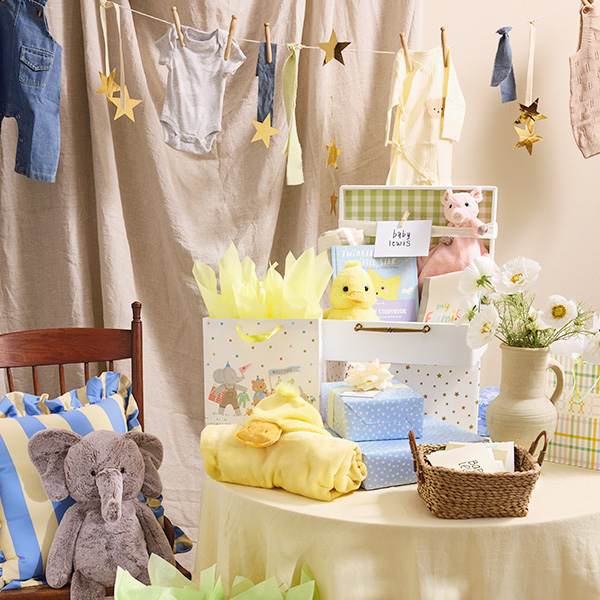
Baby 80+ thoughtful baby shower ideas you’ll love
There are few things more exciting than finding out a friend or family member is expecting a baby—or going to be a ne...
-

Graduation 100+ majorly meaningful college graduation gift ideas
Choosing the best college graduation gifts for the grads in your life can feel a little overwhelming. There are so ma...
-
DaySpring He is the God who sees and loves you
If we could get together, I would tell you that no matter your decision or how you move from this moment, that I am h...
-
Mahogany Happy Women’s History Month to all the real ones who hold it down
Happy Women’s History Month to all the real ones who hold it down. The women who show up, speak up and do not fold ju...
-
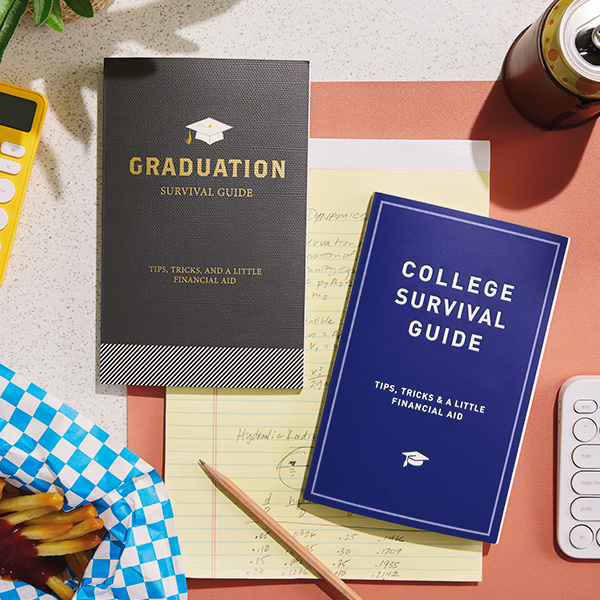
Graduation The College Survival Guide and the Graduation Survival Guide: Make the perfect graduation gift even better
The College Survival Guide and the Graduation Survival Guide were created to turn the most-requested high school grad...
-

Mother's Day 60+ first Mother’s Day ideas to give Mom her moment
As a mom, I can tell you that there’s nothing like celebrating Mother’s Day for the first time. My child was finally ...
-

DaySpring Eight influential Christian women throughout history
March is Women’s History Month, so we’re taking a look at some influential Christian women throughout history and the...
-
DaySpring Some things are worth the wait
I don’t know what you have been waiting for, but if it comes from Him, it is going to be good. It is going to be wort...
-
Mahogany Strength doesn’t always roar...sometimes it whispers
I was sitting in the chemo chair the day my doctor told me the treatment was no longer working. The room felt colder ...
-

Gifting 85+ “just because” gift ideas to show you care
Sharing a gift is a wonderful way to let someone know that they’re appreciated and cared for. With so many reasons to...
-
Mother's Day What is Mexican Mother’s Day: A look at a heartwarming celebration of motherhood in Mexico
At Hallmark, we believe mothers deserve love and recognition in every country (and in every language). In Mexico, mam...
-
Spring Small garden ideas: 25+ creative ways to make the most of a tiny outdoor space
Spring is hereeeee! 😍 And if you’ve been out and about, chances are you’ve seen more than a few reminders that spring...
-
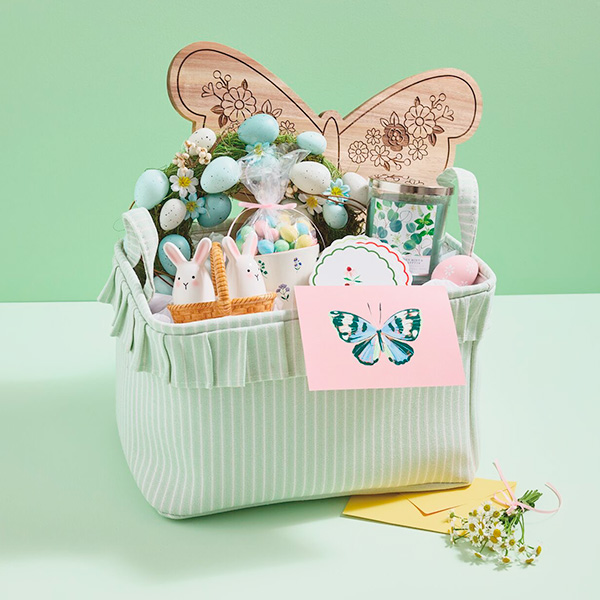
Easter 70+ festive Easter basket ideas for adults—because grown-ups need fun, too!
With its fresh vibes and warming weather, spring is easy to love. And if you’re looking for a way to bring even more ...
-
DaySpring The hidden fruit of a frozen season
I believe there is an invitation from God to bear fruit…even in winter. Your winter season, whether literal weather o...
-
Mahogany How to navigate change with your friends
There is a level of uncertainty that comes with change, even wanted change. I have spent years writing about marriage...
-
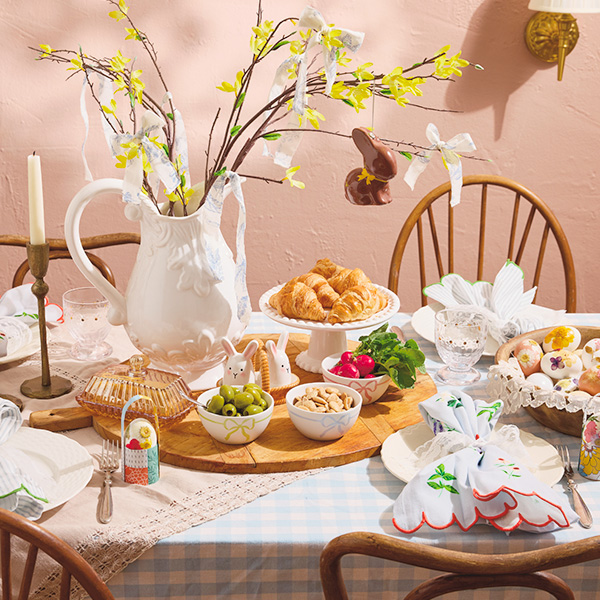
Easter 50+ vintage Easter decor ideas to bring the charm this spring
Decorating for Easter can put a little spring in your step, especially if there’s vintage Easter decor involved! If y...
-
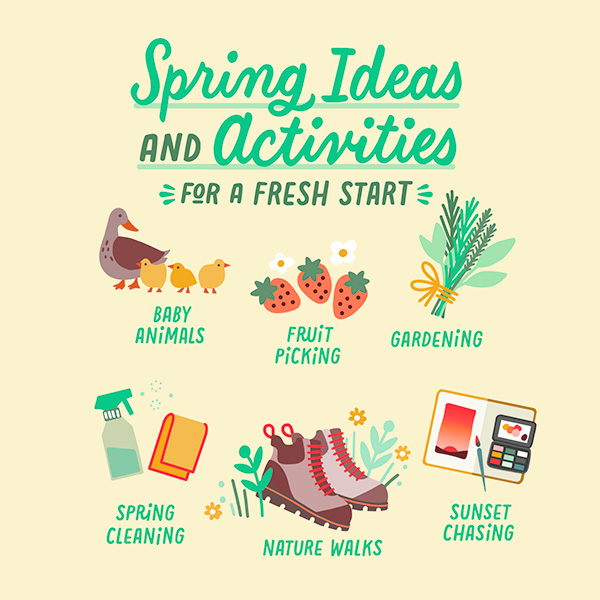
Spring Lean into the season: 35 spring ideas and activities for a fresh start
We know it’s a cliché to say that spring is the season of hope and new beginnings and whatever, but clichés are clich...
-
DaySpring Meet the DaySpring contributors
The DaySpring Writing Community is where women of different ages, life stages, cultural backgrounds and church tradit...