

Room at the table
Every year, as Hispanic Heritage Month arrives, I find myself holding two things at once: celebration and grief.
I celebrate the richness of my heritage—the stories, resilience, faith, family, food, music, language and countless contributions Hispanic people have made to our communities and to the Church.
As a child, I remember that every once in a while, our Latino church service would end in the church basement, and our meal and fellowship would begin. But before we settled in, someone always went upstairs to check whether the English-speaking pastor—or anyone else still upstairs—would come down and have a plate of food with us.
Inspired? Create and share by tagging @HallmarkStores.
It was such a simple gesture, but I remember it.
And somehow, that meal would often end with someone praying for our invited guest in a language that wasn’t their own. The language may have been unfamiliar, but the love was unmistakable. Around that table, we didn’t need to speak the same language to recognize that we belonged to the same family of God.
Looking back, I realize that I was witnessing a simple and beautiful message unfold:
Come eat with us. Come be with us. Come pray with us. Us.
As a Latina leader in the Church, I also grieve.
I mourn the moments when our presence is recognized but not genuinely acknowledged. When our gifts are used, and our contributions are tapped into, we are indeed celebrated…yet our stories can remain unheard. When Spanish-speaking and English-speaking communities worship together under one roof but don’t share a life together, they are coexisting rather than belonging to one another.
I truly appreciate my current church, which thoughtfully provides resources in Spanish and offers Spanish translation during Sunday services. These efforts are meaningful because they send a warm message: “We want you here.”
However, how are individuals truly seen once they arrive? We host a dedicated life group for Spanish-speaking members—a fantastic opportunity to connect, build community and feel a sense of belonging. These spaces are important because they bring together people who share language, culture and experiences.
Still, living side by side doesn’t always mean genuine unity. Being invited to a dinner party doesn’t always mean sitting at the table with others and sharing the same meal.
I celebrate men like Pastor Dennis in Ottawa, Ontario, who faithfully leads as pastor of a bilingual church and continually looks for opportunities to build bridges between two communities—creating space for unity while honoring the beauty found in our differences.
I celebrate women like Keren C. in New York, who chose to pursue a career as a research scientist specializing in childhood trauma, carrying with her a deep desire to serve and advocate for the Latino community in her area as a way to help future generations thrive, not just survive.
And I celebrate people like my friend Jason P., who founded The Culture Changers with a vision to create opportunities for growth within the majority community—helping people learn what it means to practice inclusivity, embrace diversity and recognize the richness that already exists all around us.
These are the kinds of people I believe we should celebrate: people who don’t simply acknowledge difference but allow it to expand their understanding of community. People who are willing to cross cultural, linguistic and social barriers—not to erase differences, but to discover the beauty, strength and image of God reflected in one another. These people of faith have opened doors, served faithfully and helped shape the places we call home.
And yet I still grieve the doors that remain closed for others.
I’ve sat at tables where I was the only Latina in the room. And I’ve sat at tables where Spanish filled the room, where food became a language and laughter needed no translation. And I’ve learned that a table tells us a lot about a community. It reveals who is welcomed, who is listened to, who is expected—and sometimes, who has been left standing.
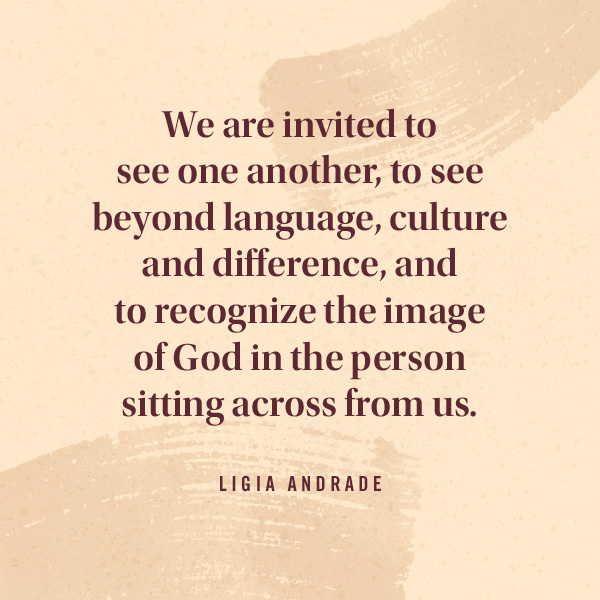
As the “big C” Church, honoring Hispanic Heritage Month can go beyond just Latin-inspired decor, bright colors, offering Spanish translation and cultural acknowledgments. These are important, but as brothers and sisters in Christ, we are called into something much deeper: We are invited to see one another, to see beyond language, culture and difference, and to recognize the image of God in the person sitting across from us.
Maybe the invitation of Hispanic Heritage Month is not simply to celebrate what Hispanic people have brought to the table. Maybe it is an invitation to ask whether we have made enough room at the table for one another. This is the tension for a woman like me who has been blessed to belong to both cultures: I am grateful to be welcomed, but I long to be truly seen, to belong, not waiting to be changed in order to fit in.
Paul gives us a beautiful picture of this in Romans 12:4–5 (NIV):
For just as each of us has one body with many members, and these members do not all have the same function, so in Christ we, though many, form one body, and each member belongs to all the others.
Paul describes the Church as one body with many members, each belonging to one another. Paul doesn’t celebrate uniformity. Instead, he celebrates interdependence. Our differences make the body whole.
What does being seen and welcomed look like?
Our Christian faith tells us: You have a place here. We recognize that you belong here, and that what God has placed in you matters to the body.
When we don’t just make room for one another, but truly and generously see one another, we begin to recognize what Paul is teaching us: We don’t all have to be the same to belong to the same body.
As followers of Jesus, we are called to see one another, listen to one another and love one another as people made in God’s image.
Unity does not require uniformity, but it does require a willingness to confront what keeps us from truly seeing each other. It asks us to practice active listening with an open heart and a humble spirit, be willing to build something new together, move beyond what is comfortable, learn to honor the image of God in people whose experiences may be different from our own, and be honest about prejudices, preconceived notions and judgments we may carry.
True unity requires the humility to recognize that the body of Christ is richer, stronger and more beautiful when we see every part.
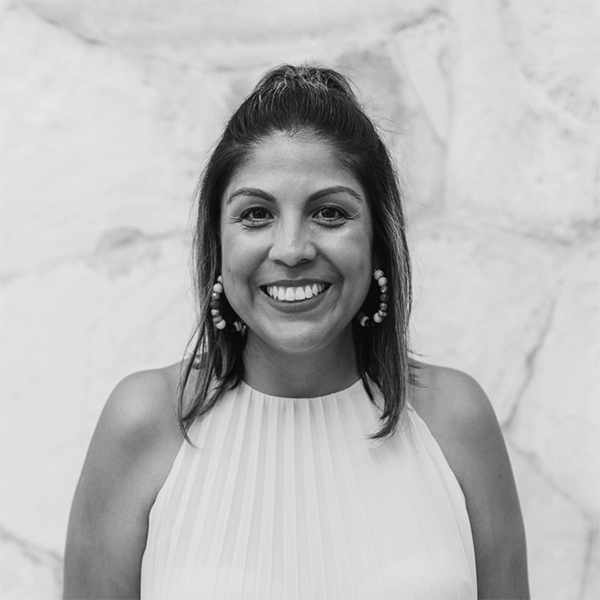
Ligia (Lee-hee-ya) Andrade was born in Antigua, Guatemala, and currently resides in Canada. She is a devoted wife, mother and leader. Ligia is passionate about serving others and sharing her story of God’s grace and redeeming power. She has a profound love for God and people.
Shop DaySpring
See allYou may also like
See more-
Calendar Flip Woo-Hoo—summer’s here! June 2027 holidays and celebrations
Summer is here in all her glory and we are ready. Warm days and cool drinks lay ahead. So it’s time to flip the ca...
-

Calendar Flip Spring Forward: March 2027 Holidays and Observances
Color us excited! From the wearin’ of the green and more sunny fun to colorful Holi festivals and celebrating crayons...
-
Calendar Flip Yay for May! May 2027 holidays and celebrations
Flowers are blooming, students are graduating and moms are getting some well-deserved appreciation. What a fabulou...
-

Calendar Flip Hello, Love: February 2027 Holidays and Observances
Let’s warm up this cold month with love and connections. From valentine cards to dressing up your pet, this month has...
-
Calendar Flip Welcome a New Year: January 2027 Holidays and Observances
HAPPY NEW YEAR! If that hurt your head, you might have celebrated a little too much. When you’re feeling better, we h...
-
Calendar Flip Welcome back, spring! April 2027 holidays and celebrations
Oh, spring, we’ve missed you most of all. We don’t even care that you bring showers—we’re just excited to be outsi...
-
Mahogany There’s nothing like an HBCU homecoming
There are homecomings, and then there are HBCU homecomings. If you have ever experienced an HBCU homecoming, you unde...
-

Christmas Christmas village display ideas: Creative ways to make miniature magic
Peeking at warm glows in tiny windows, touching the intricate details on mini village structures and playing with the...
-

Christmas Stocking stuffer ideas for literally everyone on your list
The stocking stuffer struggle is real. By the time you’ve bought your main presents, you feel like you’re all out of ...
-

Keepsake Ornaments Snow much fun with these penguin pals! 🐧
Remember being a kid and trying to build a snow fort? These little penguins have accomplished your childhood dreams o...
-
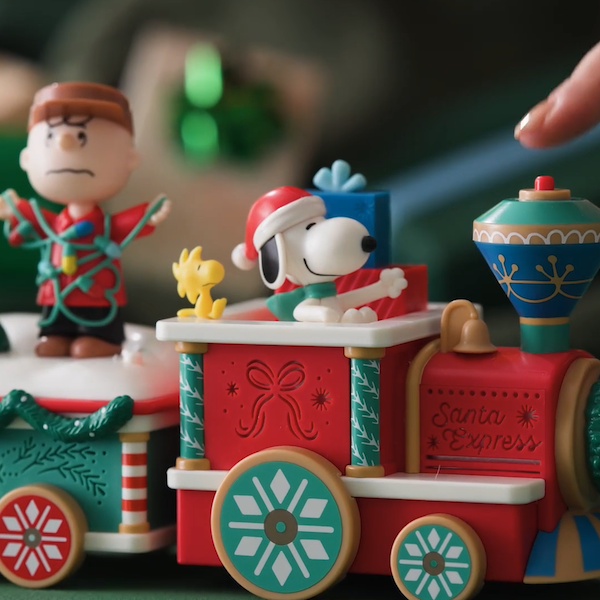
Christmas All aboard the Santa Express for a happy holiday trip with the beloved Peanuts Gang!
This delightful tabletop decoration features Charlie Brown, Lucy, Linus and Sally each riding on festive, snow-covere...
-
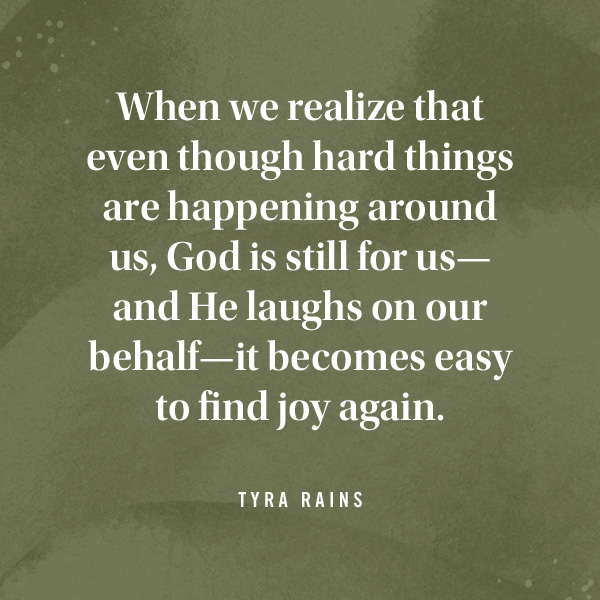
DaySpring The epidemic of lost joy
Have you noticed that people have become unjoyful at an alarming rate? The lack of joy seems to be an epidemic in our...
-

Christmas 2026 Christmas Trends: the decorating, gifting and celebration trends shaping Christmas this year
I bought my first Christmas tree not long after I started writing for Hallmark. The rest, as they say, is holiday his...
-

Keepsake Ornaments Relive the most iconic dogfight in the galaxy 💫
Moments after escaping the Death Star space station aboard the Millennium Falcon, the band of Rebel heroes encountere...
-
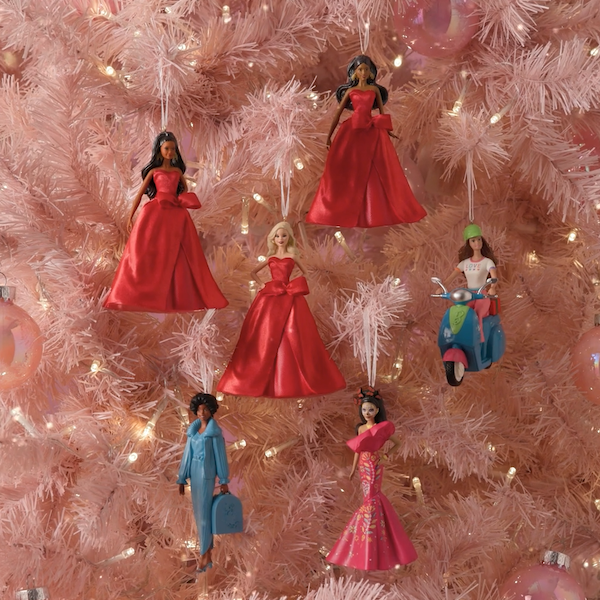
Keepsake Ornaments It’s the most fabulous time of the year! 🎀✨
She's elegant, she's adventurous, she's chic...when it comes to glitzing up your Christmas tree, is there anything be...
-
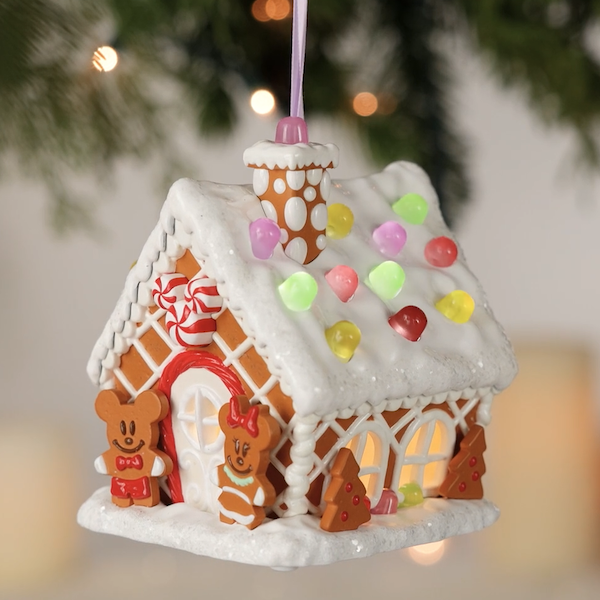
Keepsake Ornaments It’s official…this is the sweetest gingerbread house ever. 🍬
We know, there are a LOT of gingerbread houses out there. But this one might just top them all. The icing so shiny it...
-
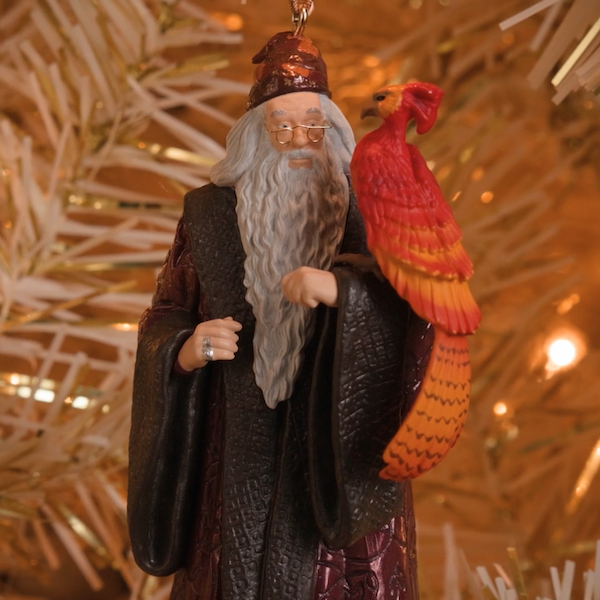
Keepsake Ornaments The final two ornaments in the collection are here! 🤩
The wait is over! The final ornaments in the Harry Potter and the Chamber of Secrets™ Collection are here! You can fi...
-
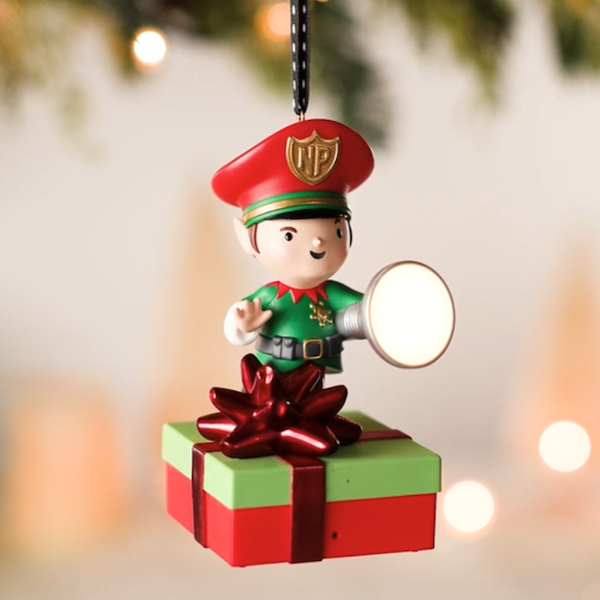
Keepsake Ornaments Busted! 🤭 The North Pole Peek Patrol is on the watch…
We all know the rules...no presents until Christmas. But a little peek won't hurt, right? Wrong! The Peek Patrol is h...
-

DaySpring When you don’t feel like it’s all good
When I start to worry, these familiar words often come to mind: “And we know that in all things God works for the goo...
-

Christmas Christmas gift wrap ideas to match your holiday personality
If you’re anything like me, the holiday season can make you tap into different sides of yourself. Maybe you become th...