

He loves us still

When I received news that our women’s Bible study group at church was going to study the book of Hosea, my spirit sunk. Something inside me wanted to run as far and as fast as I could away from this assignment.
I have avoided the prophetic book of Hosea for years—mostly because of its subject matter. The book of Hosea is a love story, but it’s no fun rom-com.
Inspired? Create and share by tagging @DaySpringCards.
The astonishing story is of the prophet Hosea, whom God told to marry a prostitute named Gomer and have children with her. Hosea lived in the tragic final days of the northern kingdom of Israel when the people were worshiping Baal instead of God.
At first, I didn’t think this book had any application for me. My pride told me I was different from Gomer. I couldn’t relate to her circumstances and her lifestyle choices.
I soon discovered this book is a cautionary tale for you and me. The book of Hosea is a parable of God’s covenant love for his wandering and unfaithful people. While you and I might not be involved in literal prostitution or idol worship, we need to examine what steals our attention and redirects our affection.
Do we devote more time to work, shopping, social media? Does our affection too often turn to people-pleasing or striving? Do we trust God for our salvation, but not for our satisfaction?
As I’ve lingered in the details of this prophetic book, I’ve discovered three preposterous and poignant truths that continue to pierce my heart:
God loves us despite our sin.
In Hosea chapters one and two, we learn that Hosea and Gomer marry and have children; then she leaves him to hunt for her lovers. The words in Hosea 3:1 are perhaps the most unexpected and tender expression of love. God commands Hosea to “Go, show your love to your wife again…” He doesn’t tell Hosea to wait until Gomer comes groveling. He urges Hosea to become a living example of steadfast love and to reach out while Gomer is living in sin.
“Love her as the LORD loves the Israelites, though they turn to other gods and love the sacred raisin cakes” (Hosea 3:1 NIV).
God reclaims us because of His love.
At God’s word, Hosea goes to buy back his wife. Hosea reclaims Gomer for fifteen shekels of silver plus fifteen shekels worth of barley. She had chosen to become a slave, and Hosea pays for her freedom with thirty shekels. This is the cost, the ransom, for his wife’s life.
Hosea has every right to be ashamed, angry, even frustrated with the situation, but He obeys God and brings Gomer home to live with him again.
God will never stop trying to bring us home.
God considers us His pure, spotless bride. Because of the sacrifice of His son Jesus on the cross, who was betrayed for thirty pieces of silver, God sees us through the lens of forgiveness, not our fornication. He pours out mercy, compassion and love again and again. He looks at the posture of our hearts, not the pitfalls of our past.
My mind returns to an experience more than twenty years ago.
The light was low in the room. Chairs were set up in a semi-circle. The worship music quieted. Our retreat speaker started by opening the Bible to the gospel of Luke. His voice filled the room as he read the story. He didn’t paraphrase or embellish. He simply read the text word for word:
“A woman in that town who lived a sinful life learned that Jesus was eating at the Pharisee’s house, so she came there with an alabaster jar of perfume. As she stood behind him at his feet weeping, she began to wet his feet with her tears. Then she wiped them with her hair, kissed them, and poured perfume on them” (Luke 7:37-38 NIV).
I couldn’t control myself. My knees buckled. I fell to the ground, my face to the floor. I was a mess of tears and hair. In the depths of my heart, I was that sinful woman. And in that moment, I poured out my heartache at Jesus’ feet. That night I surrendered my fear, control, guilt and shame.
Then Jesus said to her, “Your sins are forgiven” (Luke 7:48 NIV).
The words washed over me, like a waterfall of mercy and grace. Forgiveness. She had chosen repentance. He chose to forgive her. And that made all the difference. Those words were a public declaration of His unconditional love and acceptance of that woman. Of me and you.
Like Gomer and the woman who washed Jesus’ feet with her hair, we are broken women, prone to wander. Yet God loves us still.

Dorina Lazo Gilmore-Young is a published author, speaker, mentor and co-host of the Hear Women podcast. She delights in coaching speakers and writers to find their unique voices and to flourish in their God-given callings. A remarried widow, she loves to go on travel adventures with her husband Shawn and three daughters. Connect with her at DorinaGilmore.com.
Shop DaySpring
See allYou may also like
See more-

Christmas 20+ ideas to help you plan your trip to the Hallmark Christmas Experience
Ever wanted to step inside of a picture-perfect Hallmark Christmas movie? Or travel to a place where you could immers...
-

Mahogany Carrying memories of homecoming...and how to create new ones
My parents found an old photo of me on the homecoming court at Xavier University. Miss P1, elected to represent my fi...
-
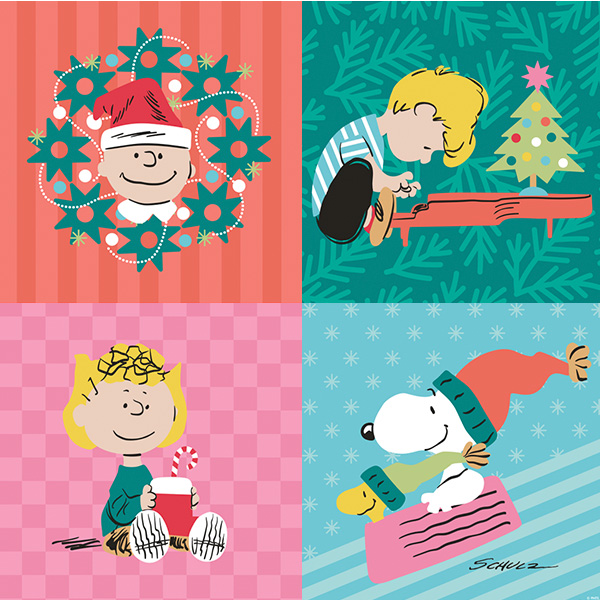
Gifting Why Peanuts still feels like Christmas
When it comes to holiday nostalgia and Christmas comfort traditions, it’s hard to top A Charlie Brown Christmas. At t...
-

Calendar Flip Woo-Hoo—summer’s here! June 2027 holidays and celebrations
Summer is here in all her glory and we are ready. Warm days and cool drinks lay ahead. So it’s time to flip the ca...
-

Calendar Flip Spring Forward: March 2027 Holidays and Observances
Color us excited! From the wearin’ of the green and more sunny fun to colorful Holi festivals and celebrating crayons...
-

Calendar Flip Yay for May! May 2027 holidays and celebrations
Flowers are blooming, students are graduating and moms are getting some well-deserved appreciation. What a fabulou...
-

Calendar Flip Hello, Love: February 2027 Holidays and Observances
Let’s warm up this cold month with love and connections. From valentine cards to dressing up your pet, this month has...
-

Calendar Flip Welcome a New Year: January 2027 Holidays and Observances
HAPPY NEW YEAR! If that hurt your head, you might have celebrated a little too much. When you’re feeling better, we h...
-

Calendar Flip Welcome back, spring! April 2027 holidays and celebrations
Oh, spring, we’ve missed you most of all. We don’t even care that you bring showers—we’re just excited to be outsi...
-

Mahogany There’s nothing like an HBCU homecoming
There are homecomings, and then there are HBCU homecomings. If you have ever experienced an HBCU homecoming, you unde...
-

DaySpring Room at the table
Every year, as Hispanic Heritage Month arrives, I find myself holding two things at once: celebration and grief. I ce...
-

Christmas Christmas village display ideas: Creative ways to make miniature magic
Peeking at warm glows in tiny windows, touching the intricate details on mini village structures and playing with the...
-

Christmas Stocking stuffer ideas for literally everyone on your list
The stocking stuffer struggle is real. By the time you’ve bought your main presents, you feel like you’re all out of ...
-

Keepsake Ornaments Snow much fun with these penguin pals! 🐧
Remember being a kid and trying to build a snow fort? These little penguins have accomplished your childhood dreams o...
-
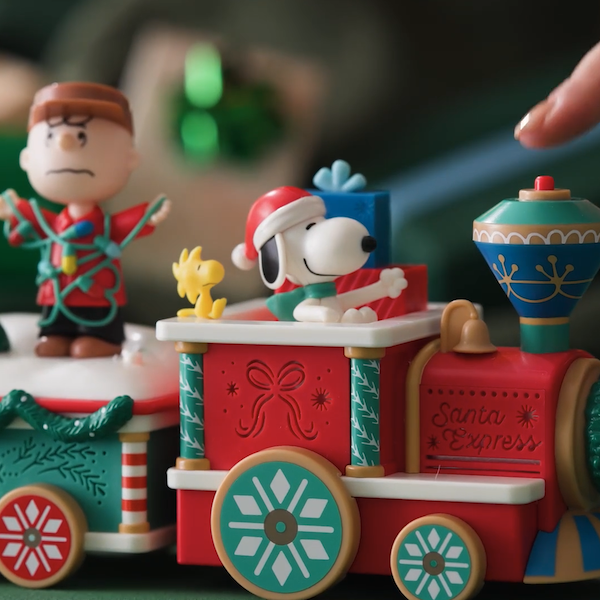
Christmas All aboard the Santa Express for a happy holiday trip with the beloved Peanuts Gang!
This delightful tabletop decoration features Charlie Brown, Lucy, Linus and Sally each riding on festive, snow-covere...
-

DaySpring The epidemic of lost joy
Have you noticed that people have become unjoyful at an alarming rate? The lack of joy seems to be an epidemic in our...
-

Christmas 2026 Christmas Trends: the decorating, gifting and celebration trends shaping Christmas this year
I bought my first Christmas tree not long after I started writing for Hallmark. The rest, as they say, is holiday his...
-

Keepsake Ornaments Relive the most iconic dogfight in the galaxy 💫
Moments after escaping the Death Star space station aboard the Millennium Falcon, the band of Rebel heroes encountere...
-
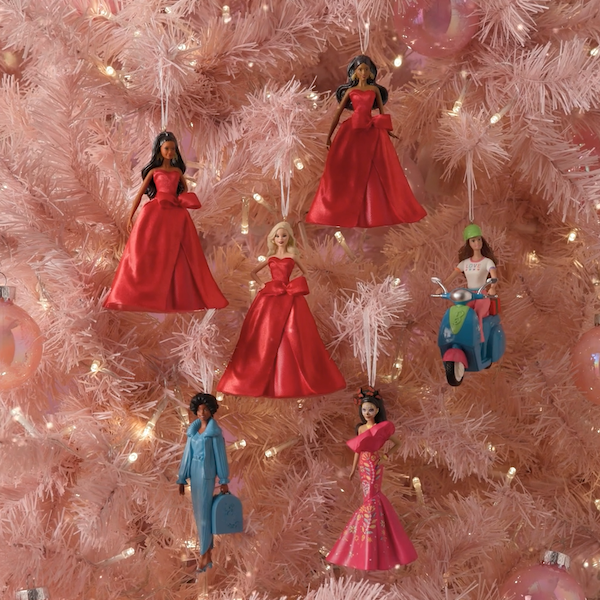
Keepsake Ornaments It’s the most fabulous time of the year! 🎀✨
She's elegant, she's adventurous, she's chic...when it comes to glitzing up your Christmas tree, is there anything be...
-

Keepsake Ornaments It’s official…this is the sweetest gingerbread house ever. 🍬
We know, there are a LOT of gingerbread houses out there. But this one might just top them all. The icing so shiny it...
