

When you don’t feel like it’s all good
When I start to worry, these familiar words often come to mind: “And we know that in all things God works for the good of those who love him, who have been called according to his purpose” (Romans 8:28 NIV).
But I recently realized that when I think about how “God works for the good for those who love him,” I tend to picture an outcome. Even more specifically, the outcome I want. The situation resolving in the way I hope. The dream coming true. The problem ending. I want what looks most like a miracle, or at least what I would label a happy ending.
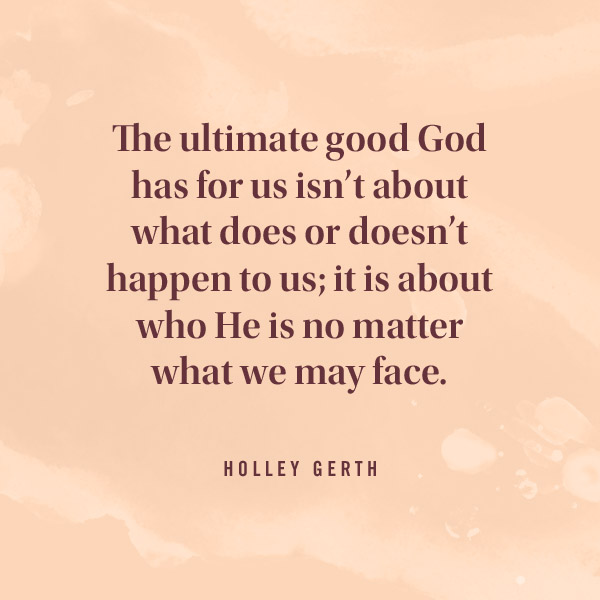
But the ultimate good God has for us isn’t about what does or doesn’t happen to us; it is about who He is no matter what we, or the people we love, may face.
Inspired? Create and share by tagging @HallmarkStores.
I sat in my counselor’s office yesterday processing a situation. She drew a circle on a whiteboard. Inside that circle, we wrote the things I can control. It was a short list. Outside the circle, we wrote what I’d like to control but am not able to. It was a long list.
Many of the things outside the circle seemed worthy and important. I wasn’t trying to win the lottery. Instead, I wanted to keep people I loved from experiencing pain. I wanted to make sure they were always safe. I didn’t want anything I saw as “bad” to happen to them.
In other words, I wanted my human version of good for myself and the people I love. The best outcome in my mind is always going to be the pain-free one. There’s nothing wrong with this, of course, but my perspective is always limited. Sometimes even what I resist most, like pain, is a necessary part of healing.
I think what I’m struggling to release is the idea that I can know what’s best, along with my ability to always make it happen.
This particular form of control can feel the most calming to my anxiety. I am someone who can set a goal then work steadily toward it until I get there. So if I can decide what is “good” for myself or someone else, then I can attempt to make sure that is what becomes reality.
But deciding what is always best for myself or those in my life has never been my job. Of course, we are to use wisdom and discernment. We’re invited to take responsibility for what God has entrusted to us and make choices. We are to treat those around us with care.
But that is different than placing myself in control of what only God can truly hold. His version of “good” might look very different than mine. He can see what I can’t, know what I may never understand, and have plans that take generations to become clear.
I think the solution to my worries is likely surrender, although that is never what I naturally desire or choose. Because surrender means letting go of control. It means saying, “I don’t really know what is best in this situation, but I trust that You do.” It is placing the outcome in someone else’s hands.
I don’t believe God causes all things in our lives, but I do believe he wants to redeem all things and remind us of how much we’re loved in the midst of them. Knowing this doesn’t take away the tears. It doesn’t protect us from pain. But it can keep us from losing hope or breaking under the weight of over-responsibility.
Our trust doesn’t have to be in outcomes; it can be in the truth that out of anything God can bring something good.

Holley Gerth is a Wall Street Journal bestselling author, counselor and life coach. Her newest release is “365 Truths for Every Woman's Heart”. She's also wife to Mark, mom to Lovelle, and nana to Eula and Clem. Find her work at www.holleygerth.com.
Shop DaySpring
See allYou may also like
See more-
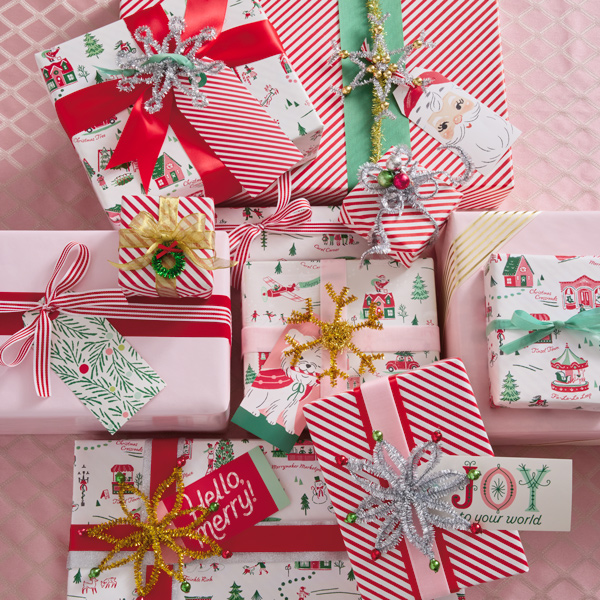
Christmas Christmas gift wrap ideas to match your holiday personality
If you’re anything like me, the holiday season can make you tap into different sides of yourself. Maybe you become th...
-
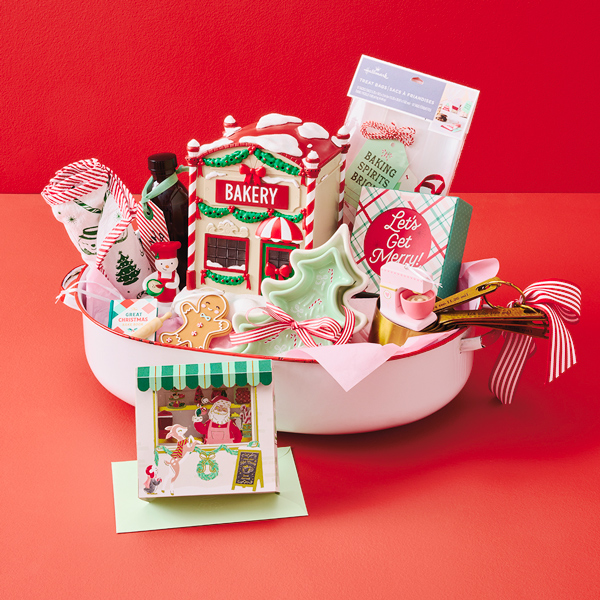
Christmas Christmas gift basket ideas for people who can’t wait for Christmas
Whenever I want to show someone a little extra love at the holidays or I’m giving a gift meant for the whole family, ...
-
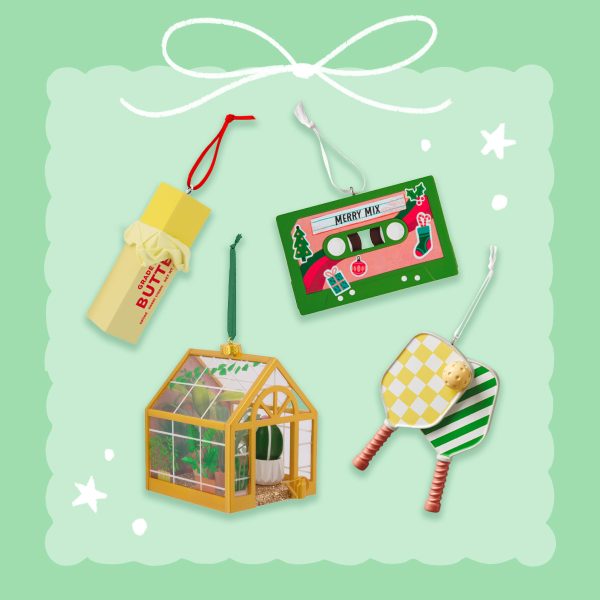
Christmas The best ornament gift ideas for everyone on your list!
Let’s say you’re looking for the perfect gift for someone with a particular interest. Or maybe you want something tha...
-
DaySpring I know You can, but will You?
Several years ago, I stood at the window of our tiny master bathroom, looking out over the yard of the house we had j...
-
Mahogany Welcome the breathtaking work of change within you
There is a village on the banks of the Hudson River, just outside New York City—the city that never sleeps, During th...
-
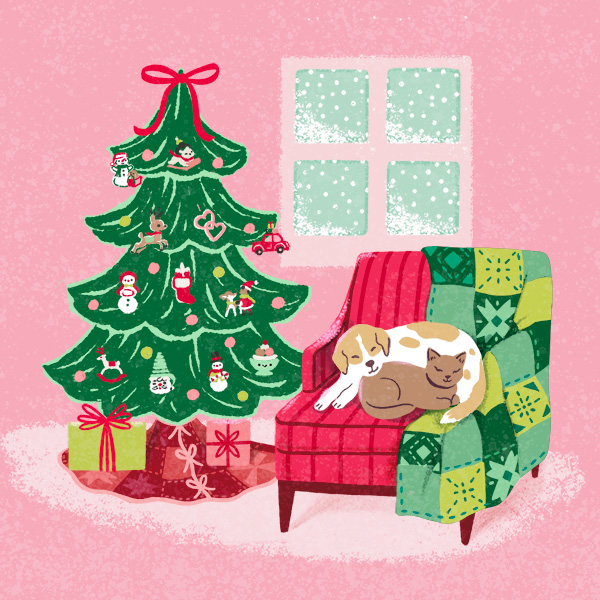
Christmas Vintage Christmas ideas to turn up the charm this holiday season
When I think of my perfect Christmas, vintage vibes are always what come to mind first. Santa’s sleigh in a dreamy wi...
-
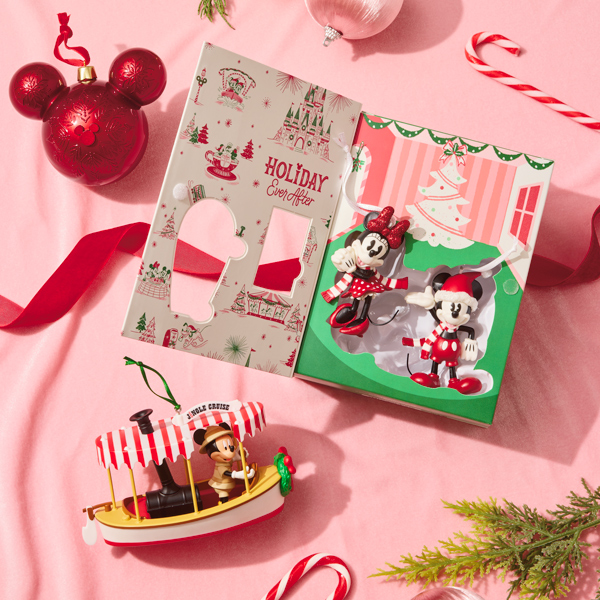
Christmas Make your Christmas merrier with Disney: Explore the Holiday Ever After collection!
We all have that one thing we can’t do without during the holidays. Maybe Christmas doesn’t feel like Christmas witho...
-
Mahogany When rejection stings and it feels like God keeps closing doors
Sis, let me tell you something about how God works. When He is looking out for you, His protection can look a whole l...
-
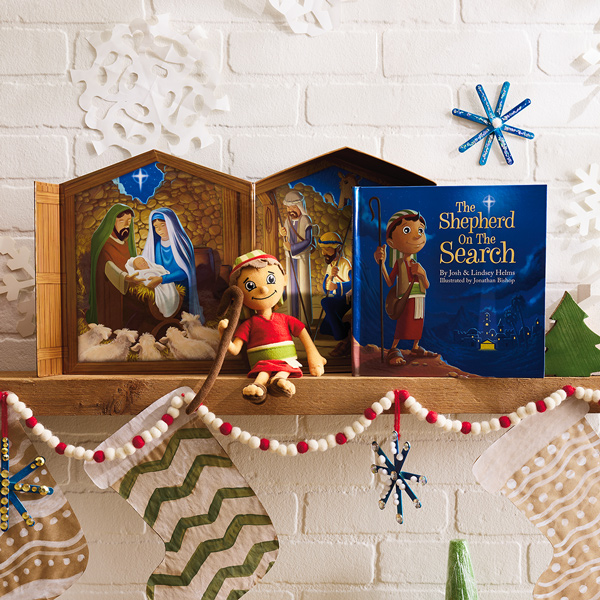
Christmas Why our family loves the Shepherd on the Search: A Christ-centered Christmas tradition
In our home, a variety of Advent activities have passed through over the years. Our Nativity set still has a prominen...
-
DaySpring An unexpected sign of God’s love
For years at my annual check-up, my doctor has urged me to get moving. She was less concerned about what I did, as lo...
-
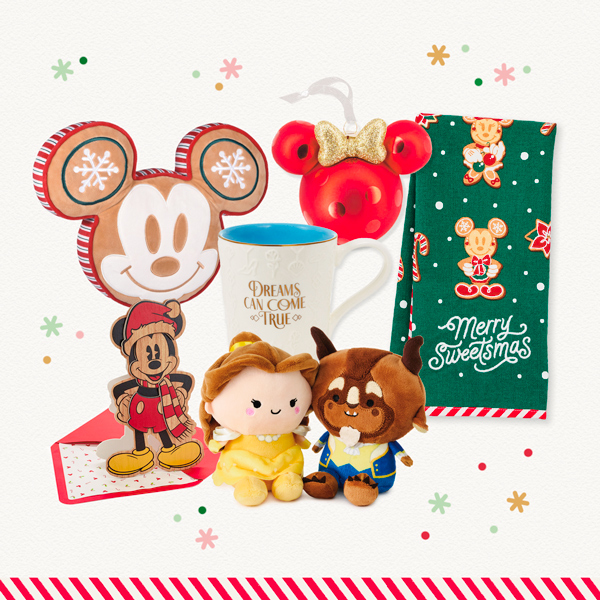
Christmas Gift ideas to help you share the wonder of Disney this Christmas
There’s no denying it—Disney just hits different at Christmas. The magic, joy and wonder we associate with the holid...
-
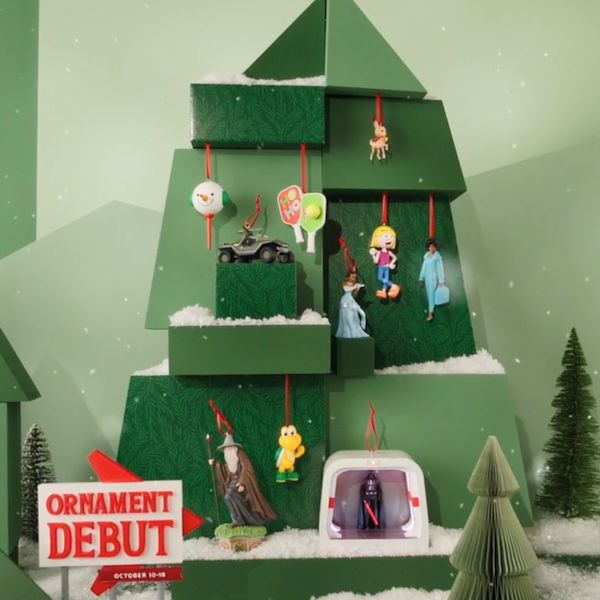
Keepsake Ornaments There’s something for everyone at Keepsake Ornament Debut! 😍
Millennial nostalgia? Check. Fandom favorites? Check. Christmas wonder? CHECK. With more than 150 new Keepsake Orname...
-
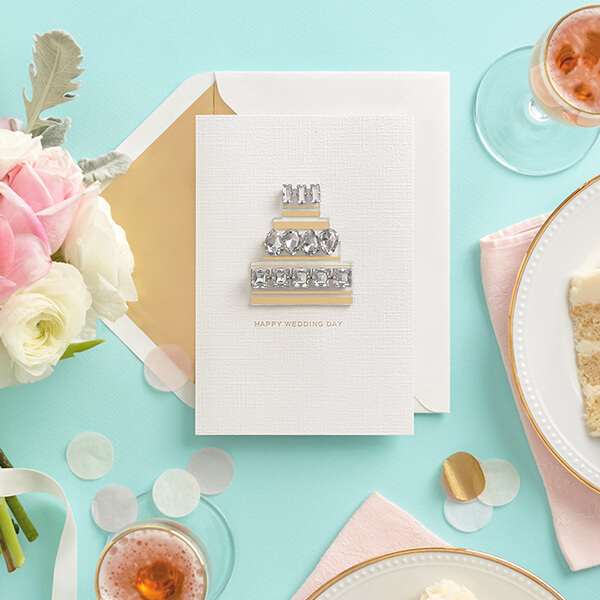
Wedding Wedding wishes: What to write in a wedding card
Imagine yourself in the parking lot walking in to your friend’s wedding reception—pen in hand, necktie/pantyhose in a...
-
Mahogany Believing bigger, one year at a time
In 2021, I was grieving. My husband had passed, and the holiday season leading up to the anniversary of his death had...
-
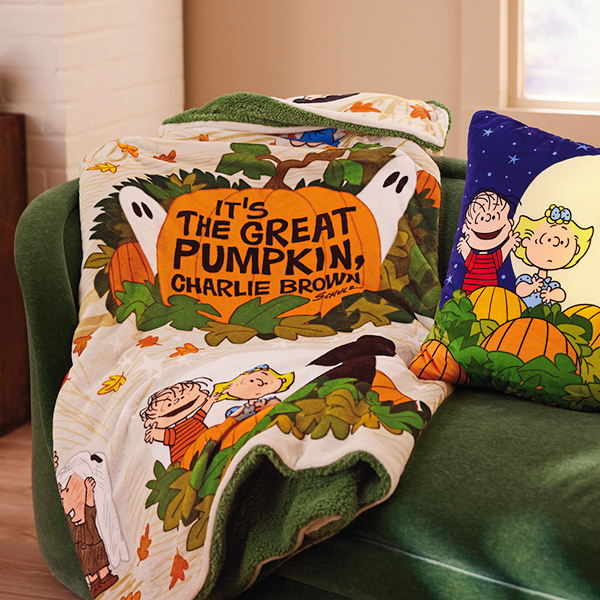
Halloween Upgrade Your Halloween movie night traditions with these fun ideas
These days, Halloween is more chock-full of movies than ever before, from cozy and nostalgic to downright spine-chill...
-

Fall ¿Qué es el Mes de la Herencia Hispana?
El Mes de la Herencia Hispana (en inglés: Hispanic Heritage Month), también conocido como el Mes de la Herencia Latin...
-
Mahogany Why fall always feels like a fresh start
One of my favorite childhood rituals happened before the school year even began. Long before the first day of school,...
-
DaySpring If you struggle to accept what is
Statements that come out of my mouth during summer include: “Why can’t I grow magnolias?” “Why don’t we have live...
-
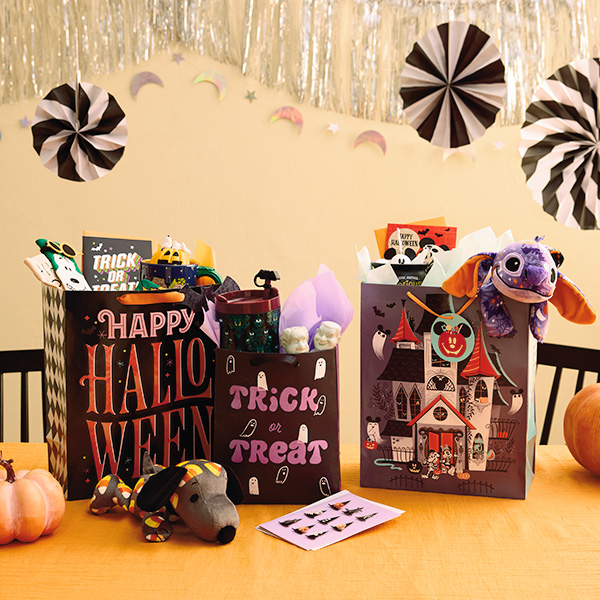
Halloween Halloween boo bag ideas for your entire boo crew
If you’re looking for some good-natured Halloween hijinks, boo bags would be the perfect fun tradition to add to your...